
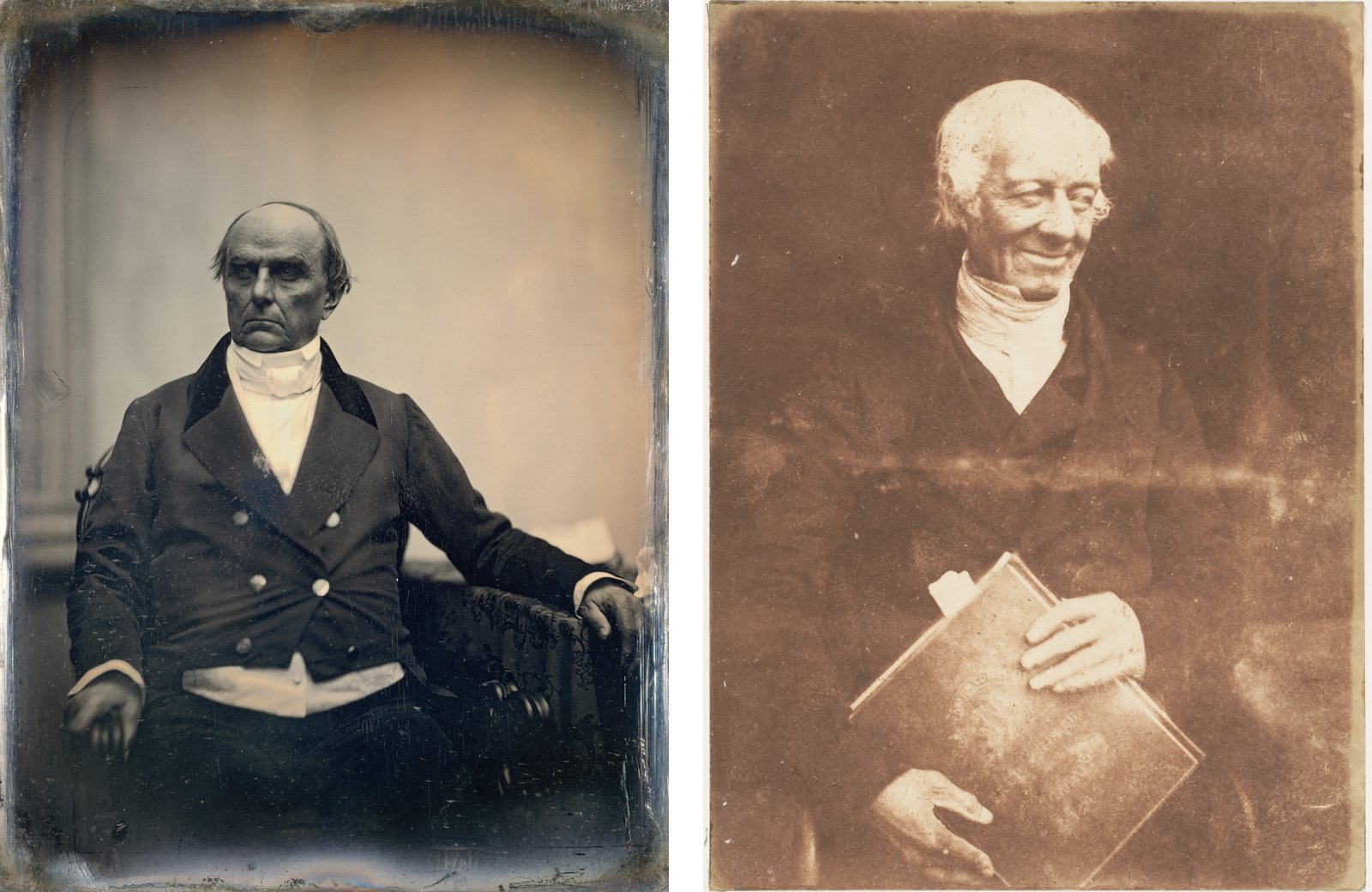
People in old photos kept a straight face because a portrait was a rare, formal record, and good manners kept the mouth closed. Long exposures explain only part of it: by the 1850s a studio portrait could take a few seconds, and faces stayed serious for decades after. Smiles took over in the 20th century, after cheap snapshot cameras made photos casual, and by the 1940s a grin was what the camera expected.
So a serious face in a family portrait from the 1800s is the expected face for the occasion. It tells you nothing about whether your great-great-grandmother was a happy woman.
How long a photo took in the 1800s
The very first portraits did take a long time. Exposures for the earliest daguerreotypes ran from three to fifteen minutes, according to the Library of Congress, and better chemistry and lenses soon cut that to under a minute.
By the 1850s and 1860s a studio could take a portrait in a few seconds in good light, as Todd Gustavson, a curator at the George Eastman Museum, told TIME. A baby still couldn't keep still that long, which is why some baby portraits have a mother hidden under a shawl (see hidden mother photography). In 1900 Kodak's Brownie box camera took its picture in a fraction of a second.
Held for minutes, a smile sets into a grimace, so the very first sitters had good reason to rest their faces. Their children sat for seconds and kept the same face anyway.
How far the usual explanations hold up
“The exposures were too long.” Partly true: the first sitters held still for minutes, and even a few seconds is a long time to keep a natural smile. But the straight face outlasted the slow camera by decades, well into the age of the Brownie.
“Everyone had bad teeth.” Many people did, and the art historian Angus Trumble told TIME that this kept mouths closed in company. But bad teeth were too common to count much against anyone's looks, the writer Nicholas Jeeves points out, and sitters rarely gave even a closed-lip smile.
“People back then were miserable.” Life was harder in many ways, but Trumble says people have always smiled and laughed much as they do today. What changed is how they present themselves in public, and a grin for the camera is as much a performance as the old straight face.
Why a portrait meant a straight face
Photography took its manners from painted portraits, which were formal likenesses meant to last. By the 1600s in Europe, Jeeves writes in his survey of the smile in portraiture, the people who smiled broadly in life and in art were “the poor, the lewd, the drunk, the innocent, and the entertainment.”
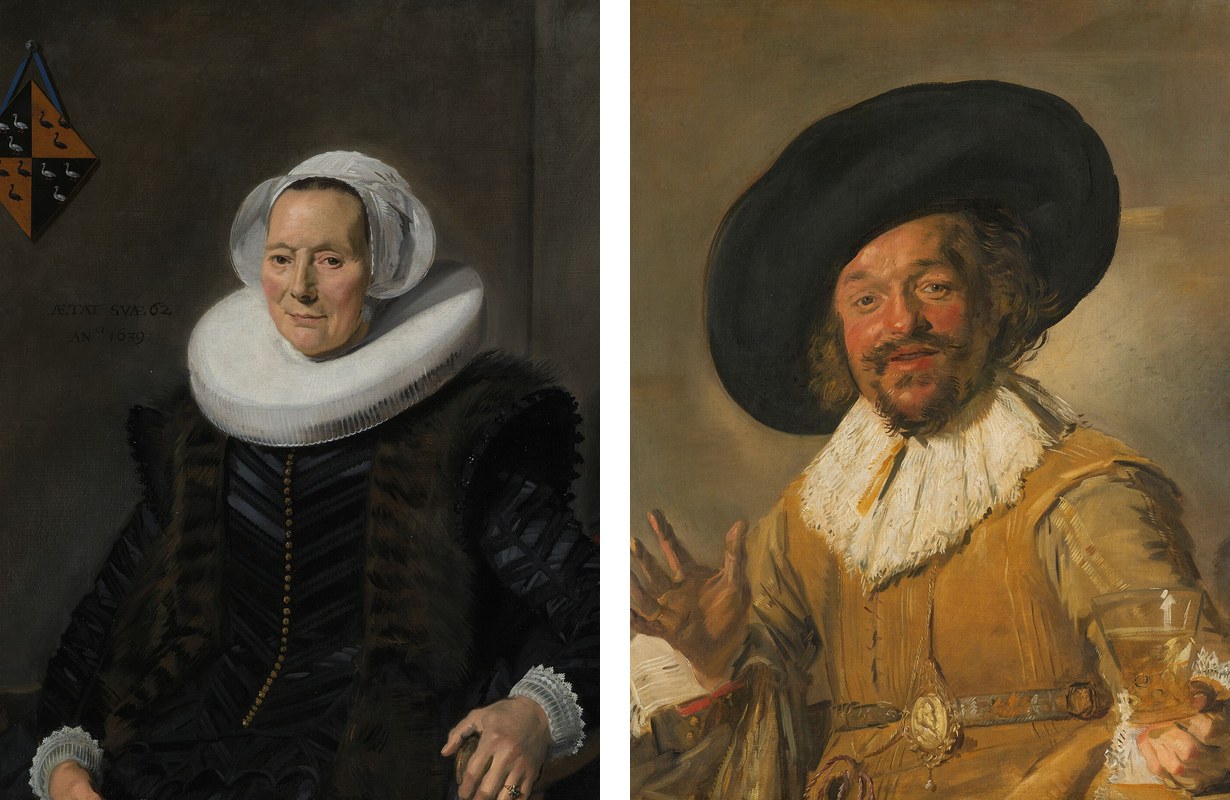
In the 1800s, having your portrait taken was an event in itself, Christina Kotchemidova writes in her 2005 study of the camera smile. You dressed for it and sat the way you wanted to be remembered.
Etiquette asked for a controlled mouth, and beauty standards for a small one. By 1846 a London magazine's tips for sitting to a daguerreotype included holding the mouth “as if they were going to say prunes.”
Smiles weren't impossible, only unusual. The Scottish minister at the top of this page was photographed smiling in the 1840s.
When people started smiling in photos
The change came with cheap cameras. Kodak's first camera went on sale in 1888 with the slogan “You press the button, we do the rest,” and in 1900 the Brownie sold for $1, with film at 15 cents a roll.
Kodak sold photography as fun, for picnics, holidays and parties, and its ads and photo magazines were full of smiling faces. Kotchemidova traces the camera smile to that advertising: the cheerful snapshot became the pattern for a good one. In Kodak's 1915 advertising contest, which asked for pictures that suggested pleasure, the winners showed what she calls “rather lame smiles.”
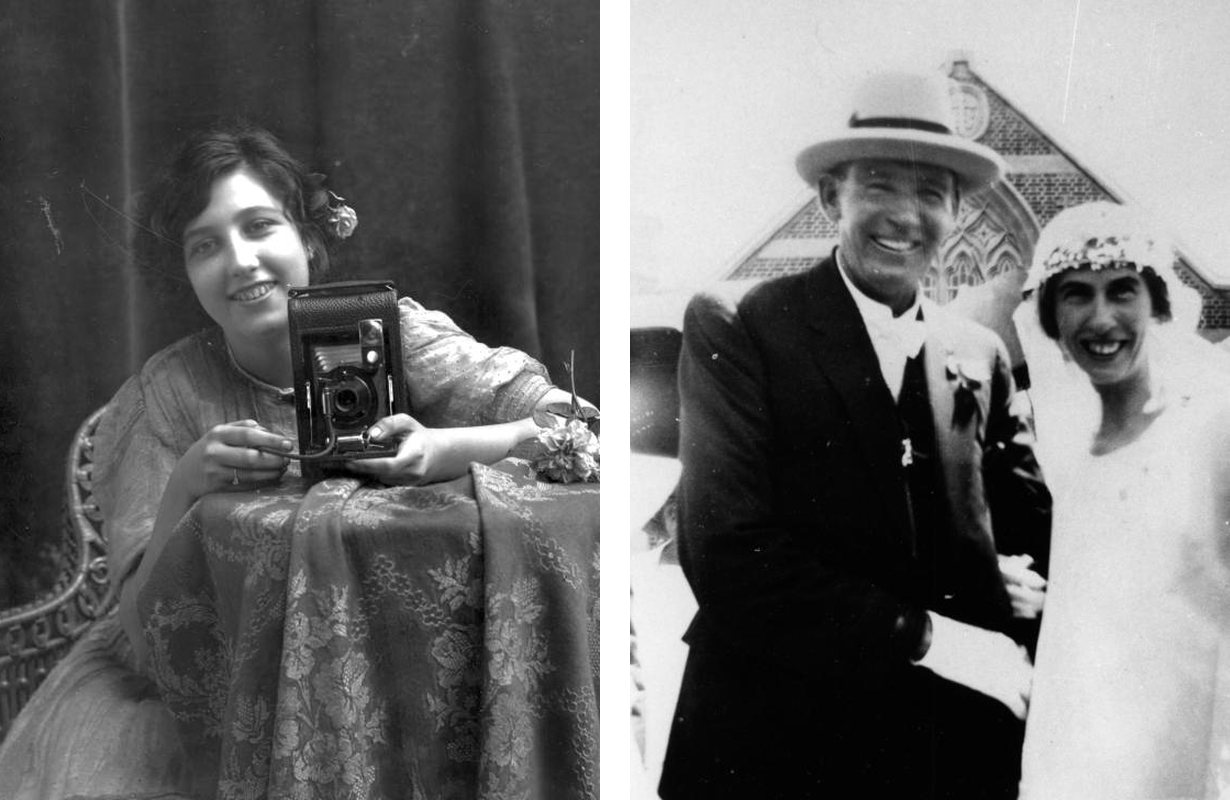
Over the 1920s and 1930s smiling became the normal face for a camera. Other writers give film stars and better dental care some of the credit. Kotchemidova found photography trade journals in the 1930s still printing some serious or pouting portraits of children; by the 1950s those had disappeared.
By the mid-1940s the smile was the rule. In 1944 one photographer took snapshots of 30,000 servicemen and women for the USO, using wisecracks to get the grins.
Yearbooks show the same curve. Researchers at UC Berkeley measured the smiles in nearly 38,000 senior portraits from American high school yearbooks, 1905 to 2013. Smiles grew quickly from the 1900s to the 1950s, and women smiled more than men in every decade.
If you're trying to place your own portrait in that story, see how to date old photos. For why it's black and white, see why old photos are black and white.
Restore the face the photo has
If the portrait you're repairing shows a stern face, that face is the record. A faithful repair should keep the expression exactly as it is, with no smile added.
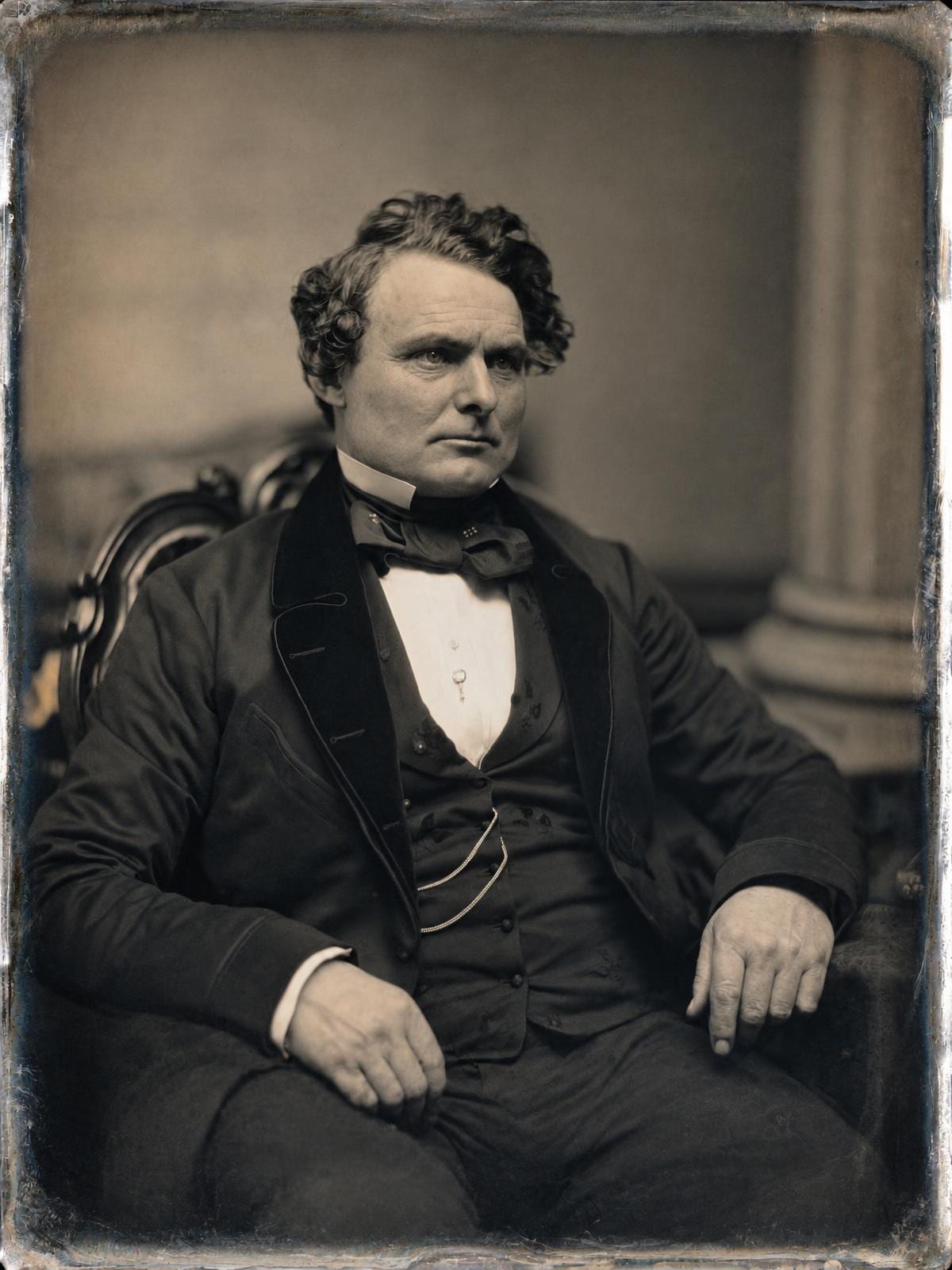
FixFade's default, Faithful repair, mends tears, scratches, stains and fading and is built to leave faces and clothing as they are. Here it is on a daguerreotype from the 1850s.
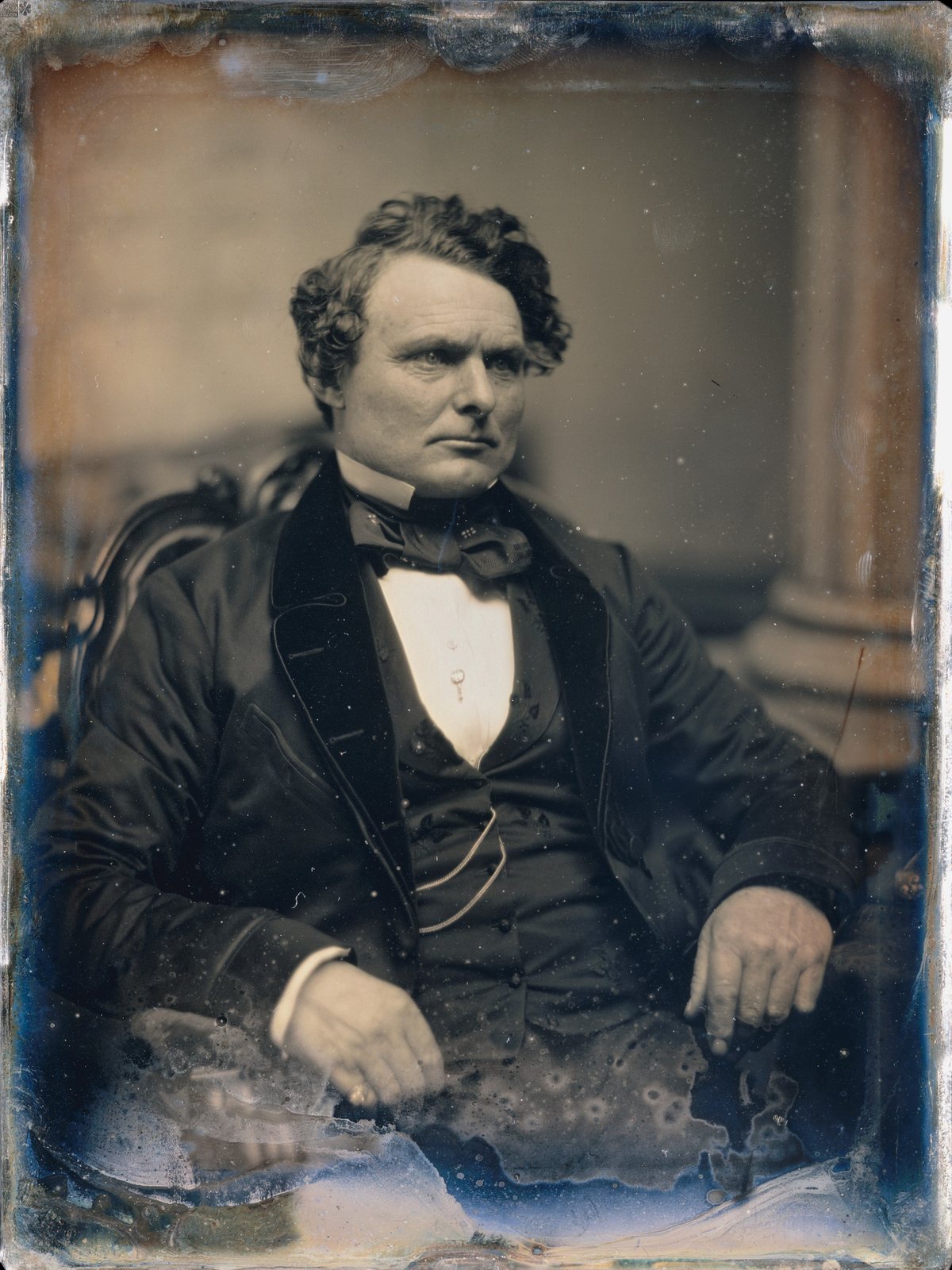
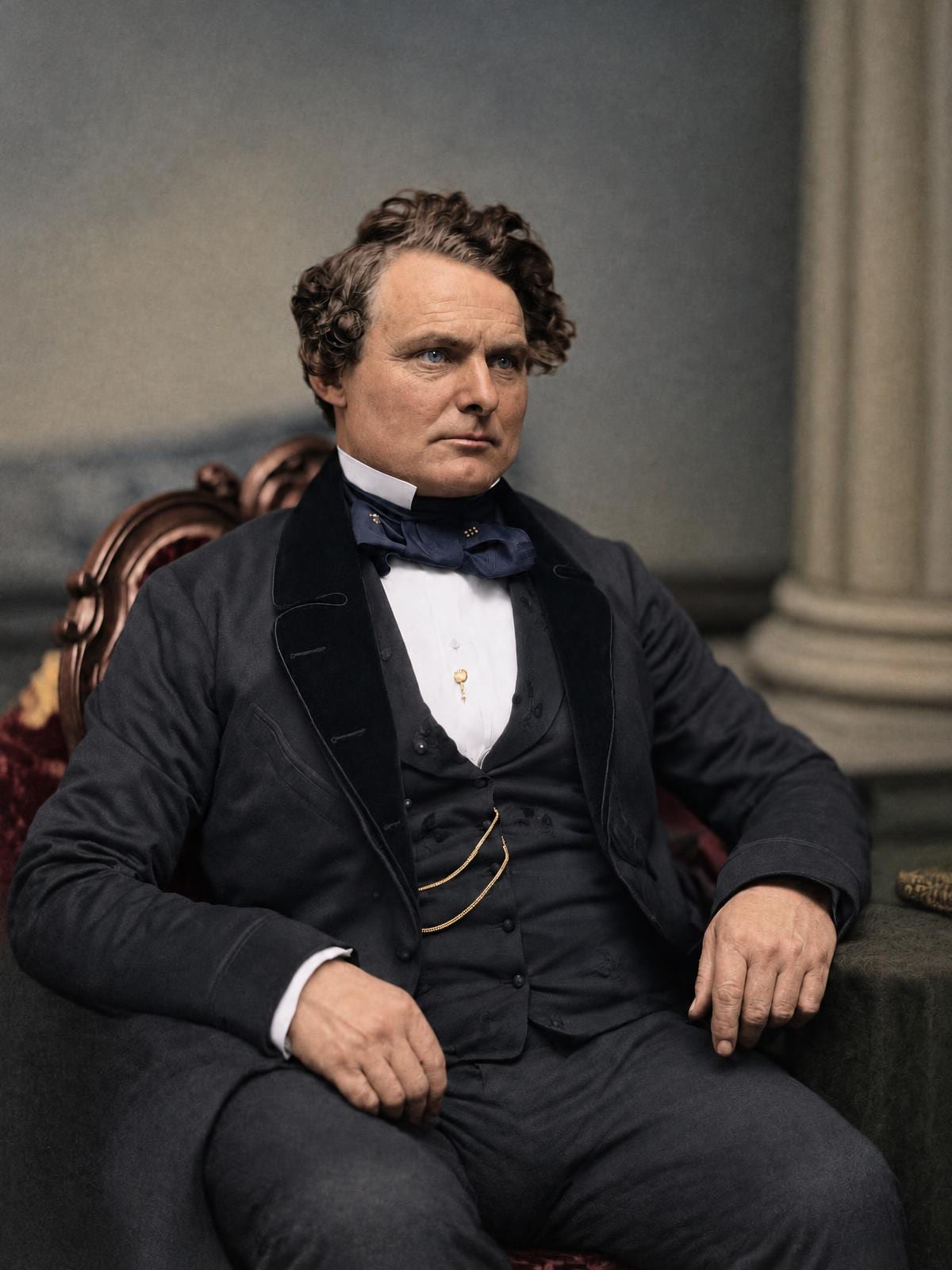
Animation is a different matter. It invents motion, and a smile can come with it: when we animated a First World War soldier's portrait, it ended on a smile he never gave the photographer (see our guide to Deep Nostalgia alternatives). Keep the still as the record of the face.
To see it on your own portrait, restore a scan of it: 2 free watermarked previews a day, no card needed. Then check that the mouth and eyes in the result match the original.