
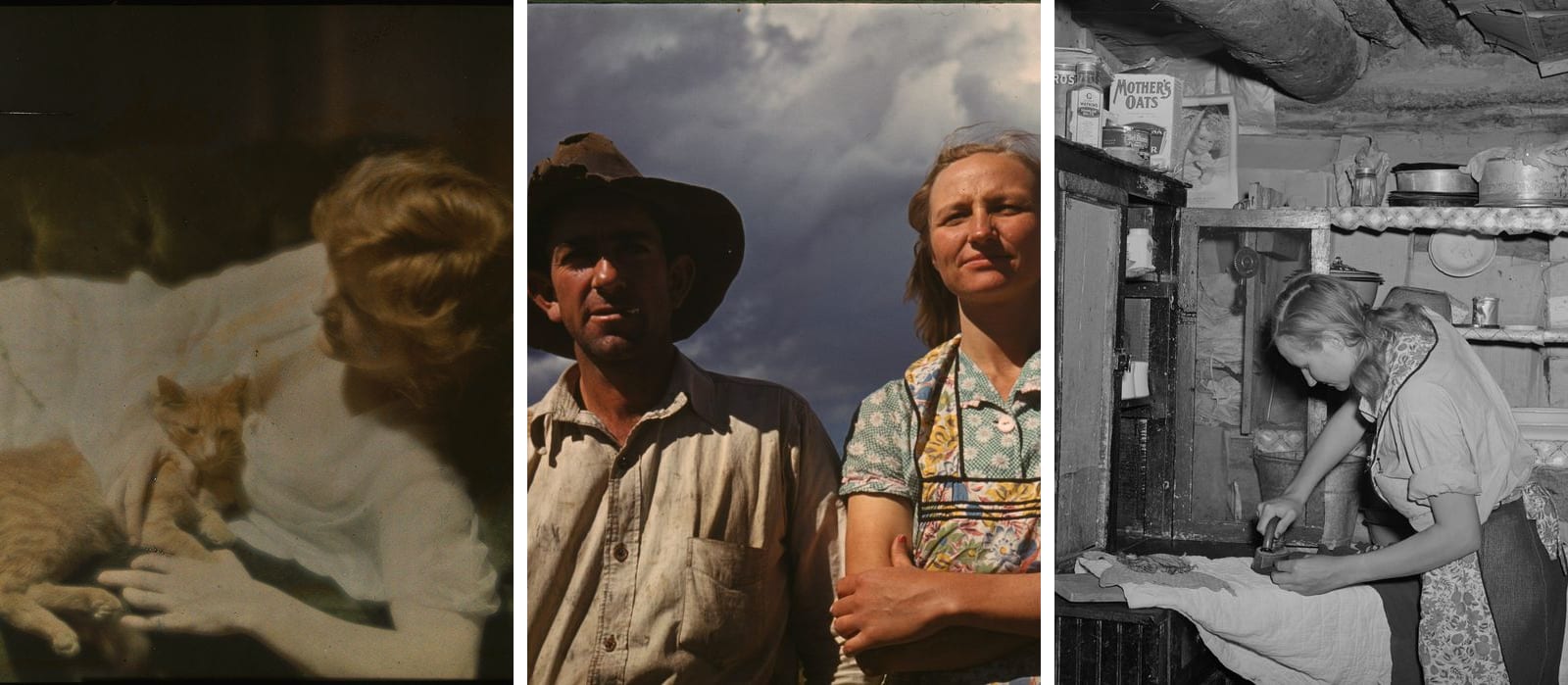
Color photos go back to 1907, when the first practical color process went on sale, and Kodak's Kodachrome color film followed in 1935. Your family's snapshots stayed black and white for decades after that because color cost more and took longer: the roll went away to a Kodak lab, and every color print was an extra charge.
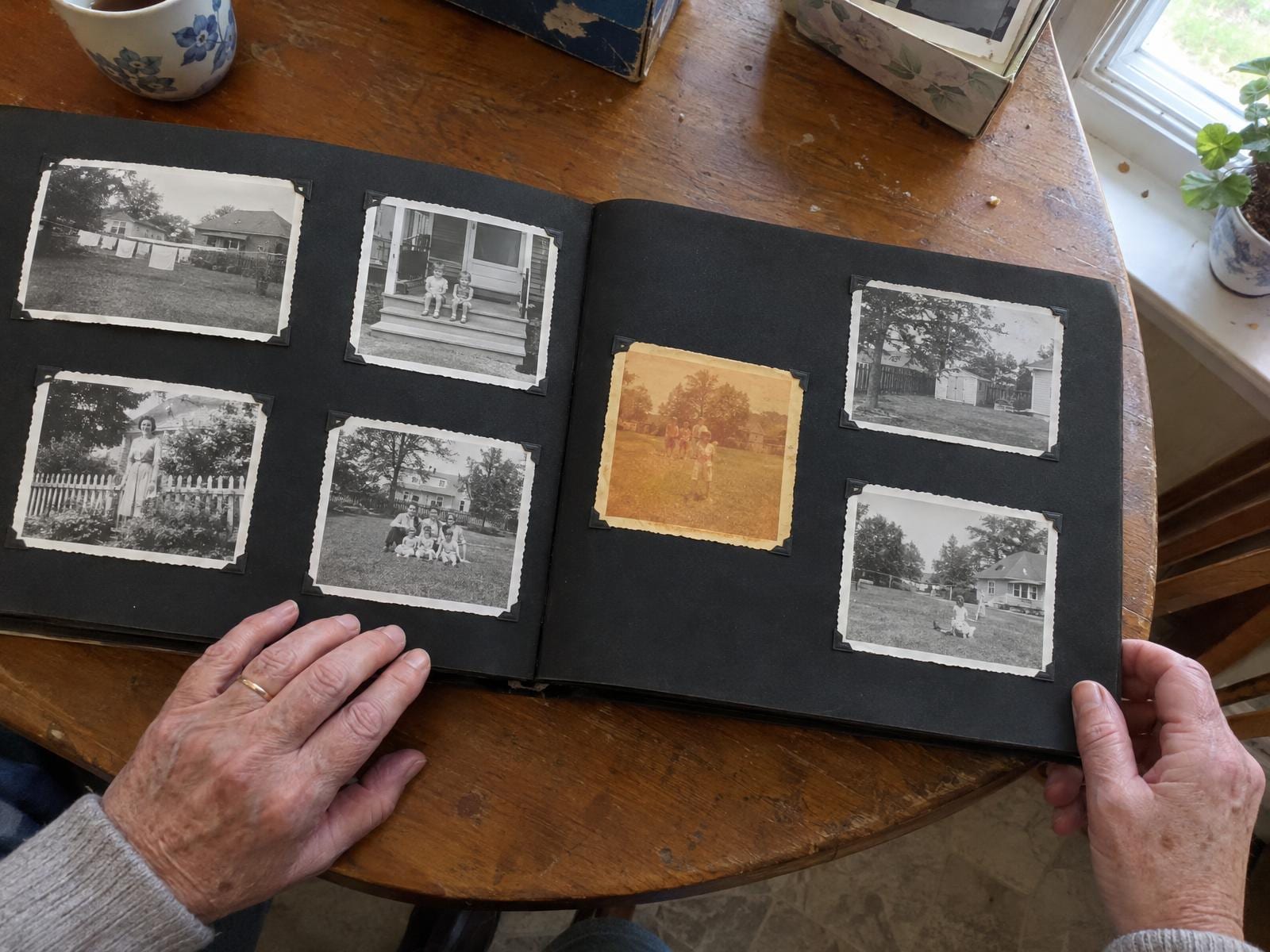
So if your grandparents' 1950 snapshots are black and white, they were using the everyday roll. Color was the expensive one.
When color photos came out
Before 1907, color in a family photograph meant paint: a studio artist tinted the black-and-white picture by hand.
In 1907 the Lumière brothers in France began selling the Autochrome, the first commercially successful color process. Each one was a single glass plate you held up to the light, with no negative and no prints to pass around. Its soft, speckled color, as in the 1914 picture at the top of this page, comes from a filter of dyed potato-starch grains.
Kodachrome came out as home-movie film in 1935 and as 35mm slide film in 1936. It made slides for a projector, and it needed exposure too exact for the simple box cameras of the day.
In 1942 came Kodacolor, Kodak's first color film for prints, and it worked in a box camera. Kodak knew that keen amateurs were happy with slide shows but most people wanted prints for the album. If your family did shoot color in the 1940s and 1950s, look for slides as well as prints.
Why families kept shooting black and white
Black-and-white film was the cheaper roll, and any local photofinisher could develop it and print a set of snapshots.
Color cost more and took longer. Until 1955 the price of Kodak's color film included processing by Kodak itself, so every roll went back to a Kodak lab, at first only the one in Rochester, New York. Prints were paid for on top.
Early color also aged badly. Kodacolor prints from 1942 to 1953 have faded and stained orange or yellow, so the few color prints in an album from those years often look worse than the black-and-white ones. We explain why color prints fade in our guide to restoring old photos.
Even government photographers used color sparingly. The Farm Security Administration and Office of War Information shot color from 1939, yet their collection at the Library of Congress holds about 175,000 black-and-white negatives and 1,610 color transparencies. Russell Lee, who made both 1940 pictures at the top of this page, was one of them.
When color became the family default
The change started with processing. After a 1954 court settlement, Kodak sold its color film without processing from 1955, and labs outside Kodak began developing and printing it.
By 1960, color had overtaken black and white in US amateur photofinishing, according to a 2009 study of Kodak color prints for the American Institute for Conservation. Henry Wilhelm, in his 1993 book on the permanence of color photographs, dates the big move to color film and color prints from the mid-1960s.
Restore a black-and-white print as black and white
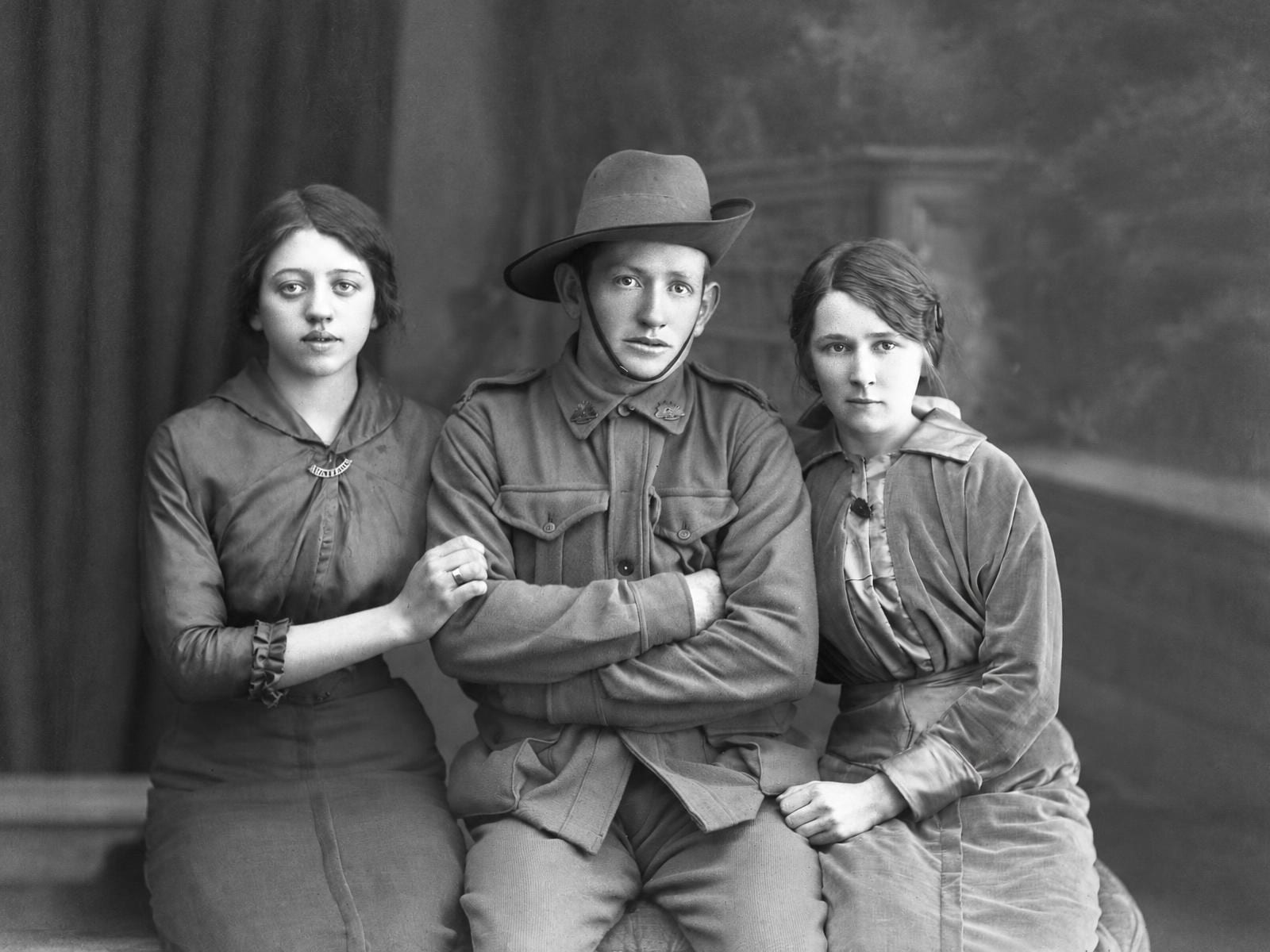
A black-and-white print never recorded color. The gray of a dress tells you how light or dark it was and nothing about whether it was blue or green.
That makes restoring and colorizing two different jobs. A restore repairs what the print did record, under the cracks, stains and fading. Colorizing adds something the print never held.
So repair it as it is. FixFade's default, Faithful repair, mends tears, creases, stains and fading and keeps a black-and-white photo black and white. Repair + colorize is a separate opt-in, and its color is a guess at what was typical, so check it against what the family remembers.
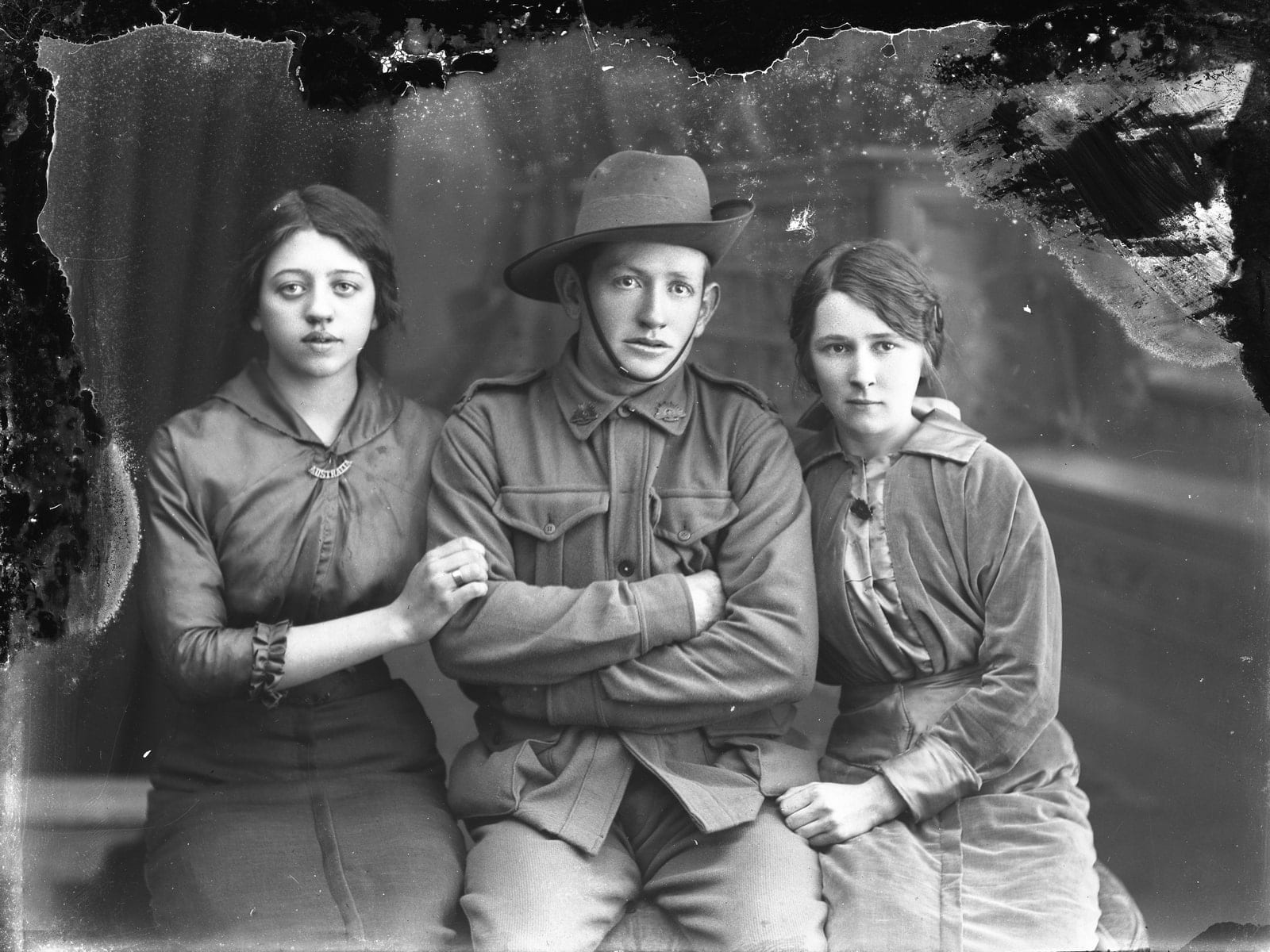
Drag the line to compare the damaged scan with the restore.
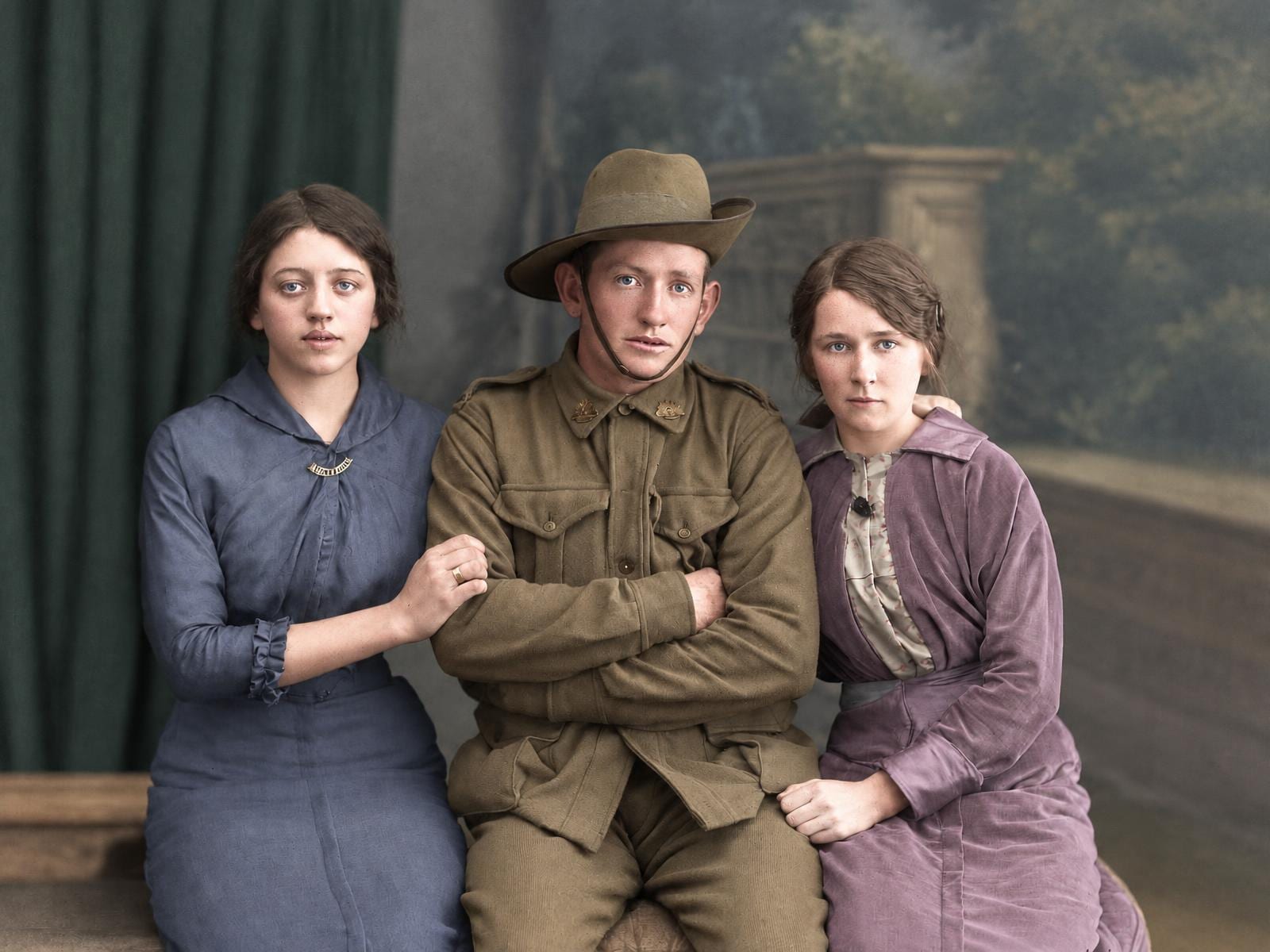
You can try a restore on your own print: 2 free watermarked previews a day, no card needed, in your phone's browser, about a minute each. Check faces and any small lettering against the original.
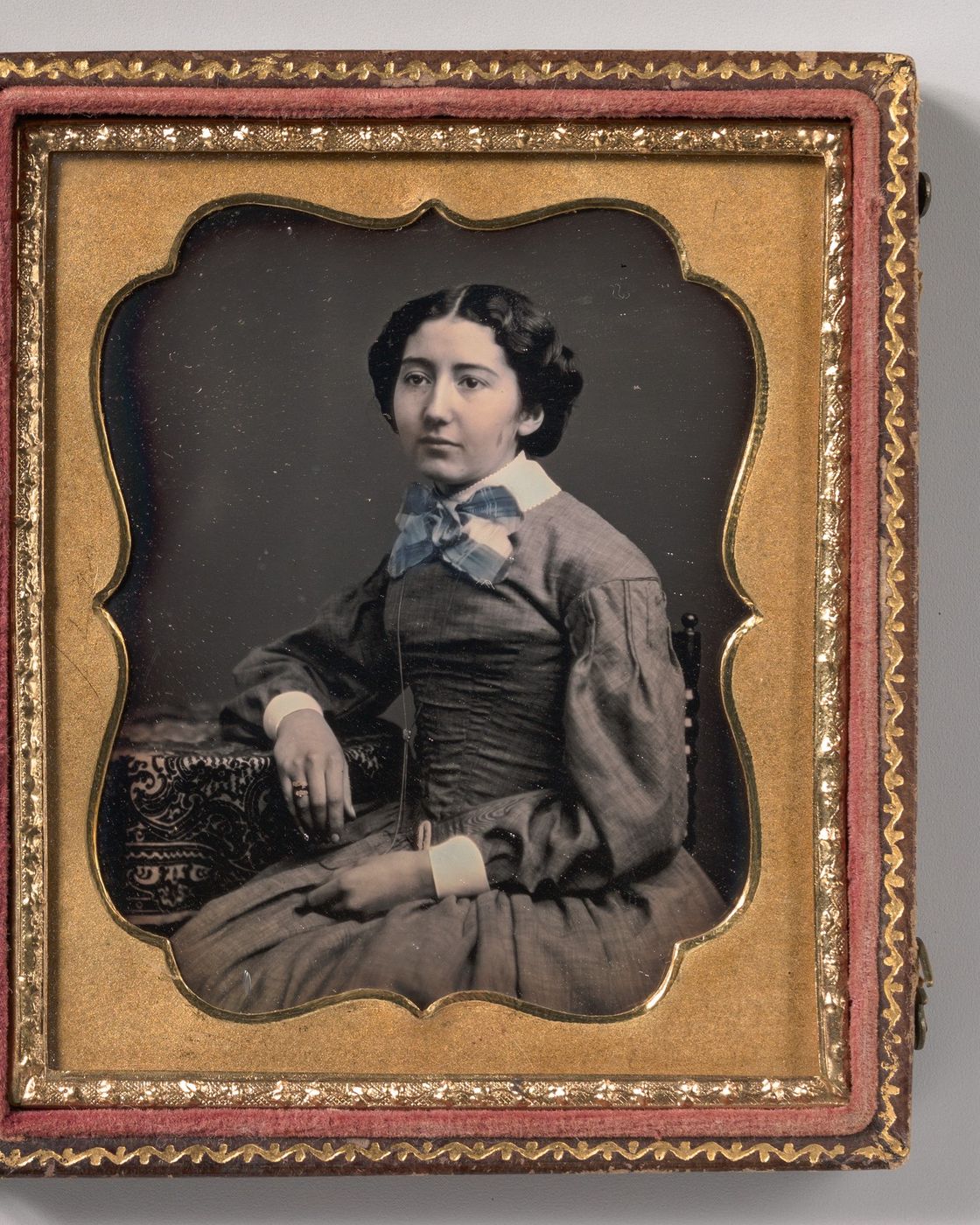
To work out when a print was made, look at its paper, border and mount: see how to date old photos. For what a faithful repair looks like from one decade to the next, see our before-and-after gallery. Why nobody smiles in them is a separate question, answered in why didn't people smile in old photos.
Keep the black-and-white restore as the main copy you share. If someone wants color, make it a second copy and label it as colorized.