
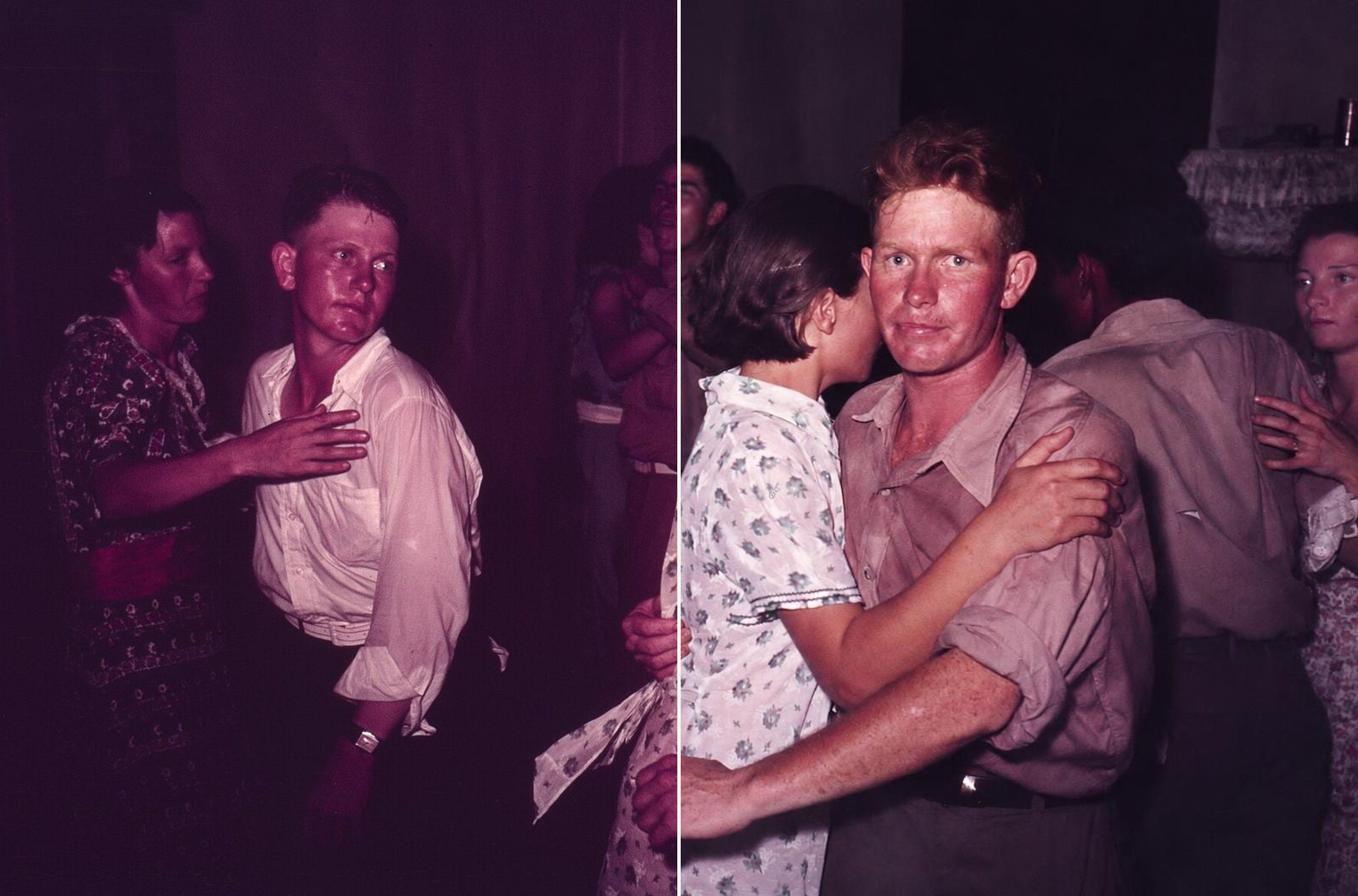
Here are twelve damaged photographs from public archives, from Civil War tintypes to a color slide from 1939 or 1940, each put through FixFade once on the default settings with nothing retouched by hand. A good restoration fixes the damage and leaves the photo looking its age. Drag the line on any photo to compare, then read the note under it: what the restore fixed, what it left alone, and where it guessed or got something wrong.
A tintype should still look like a tintype, and a 1920s press negative should keep its daylight and grain. When a restore changes a face or makes an old photo look new, it has gone too far.
One photo we restored isn't here. On an 1880s cabinet card of a Black infantry sergeant and a girl, the restore lightened their skin and gave him a narrower nose and thinner lips, so we left it out. Whatever your photo, put the result next to the original and look at the faces first.
Pick your photo's decade below. If you're not sure which it is, the print's mount, size and edges hold the clues, and our guide on how to date old photos goes through them.
1860s
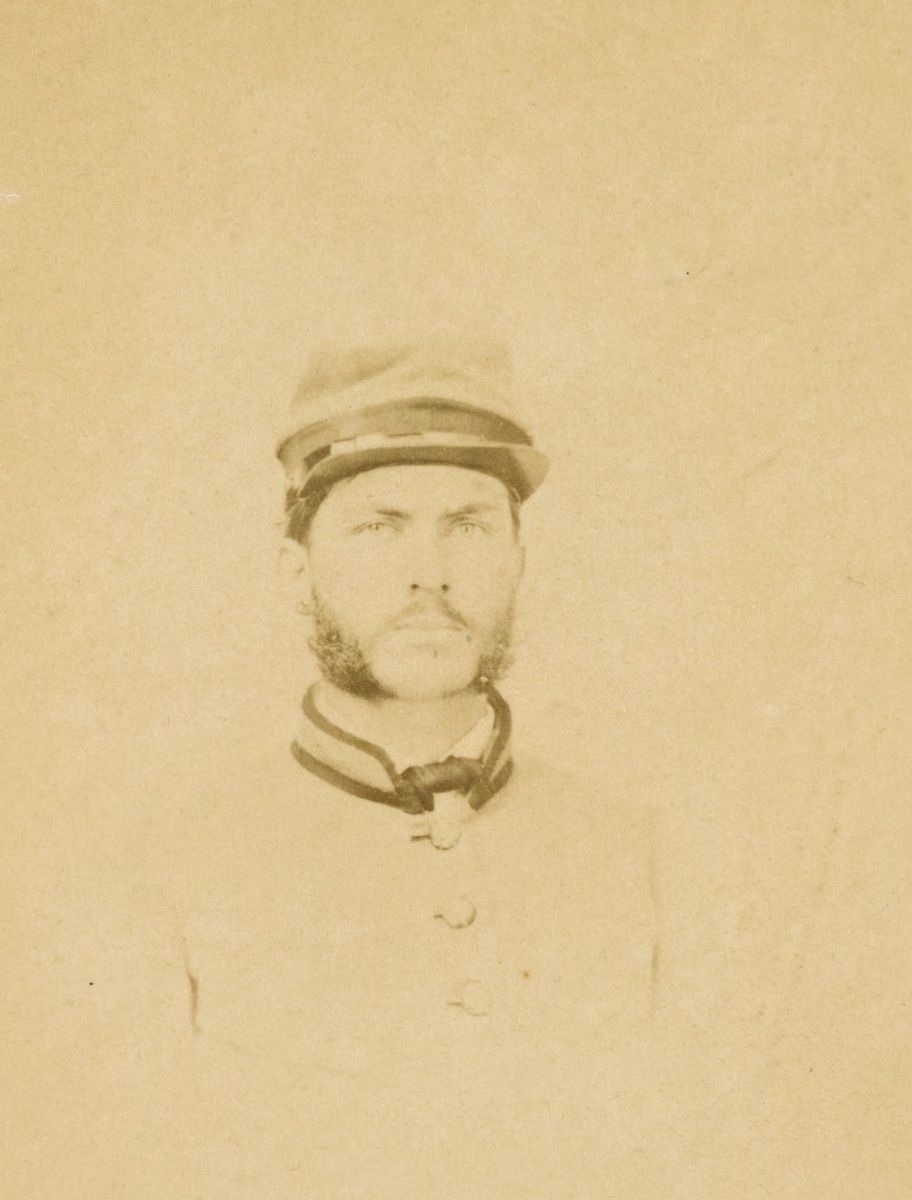
In the 1860s families sat for tintypes, an image on a thin sheet of iron, and for cartes de visite, small albumen prints glued to card. A tintype is dark gray and was often tinted by hand; an albumen print turns yellow and pale as it ages. A faithful repair keeps both looks.
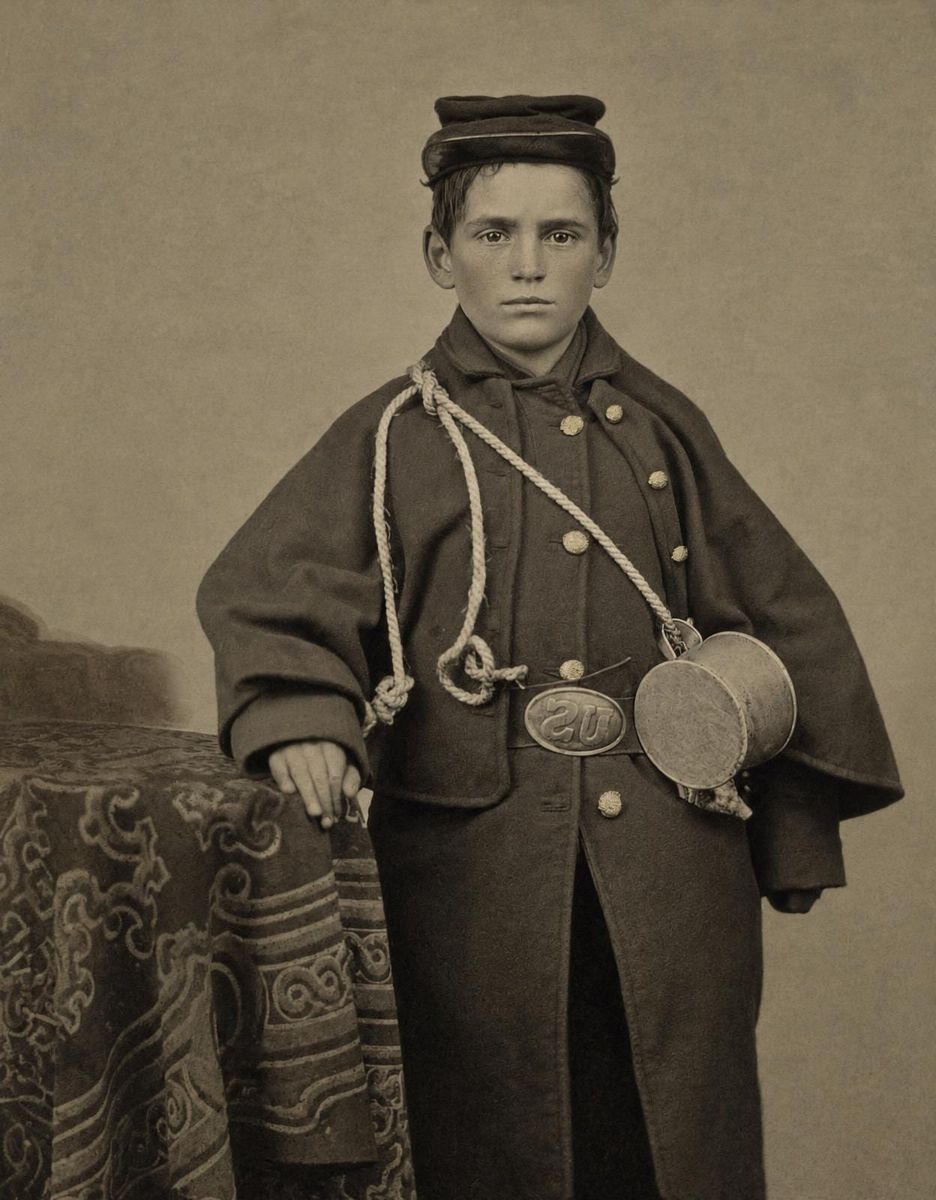
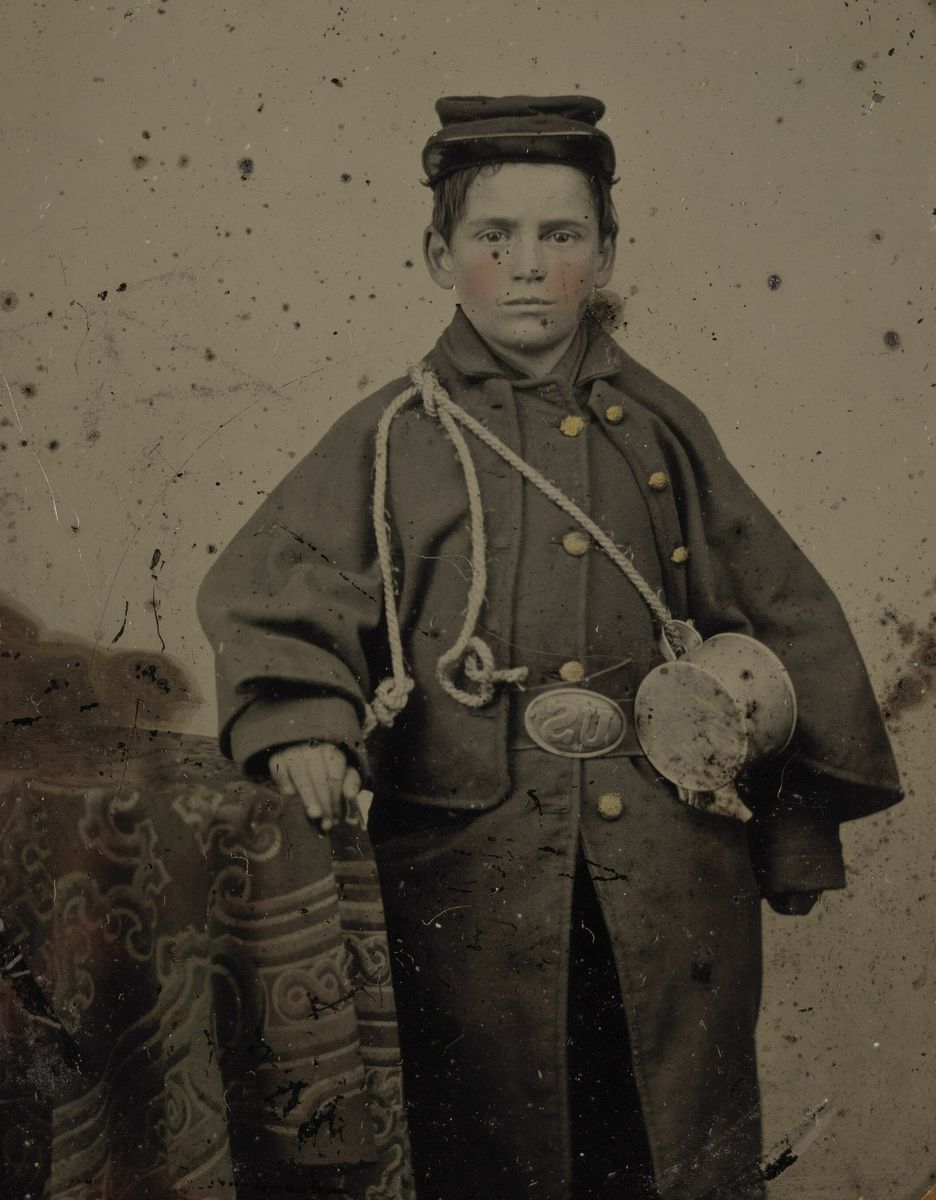
Drag the line to compare the archive scan with the restore.
1870s
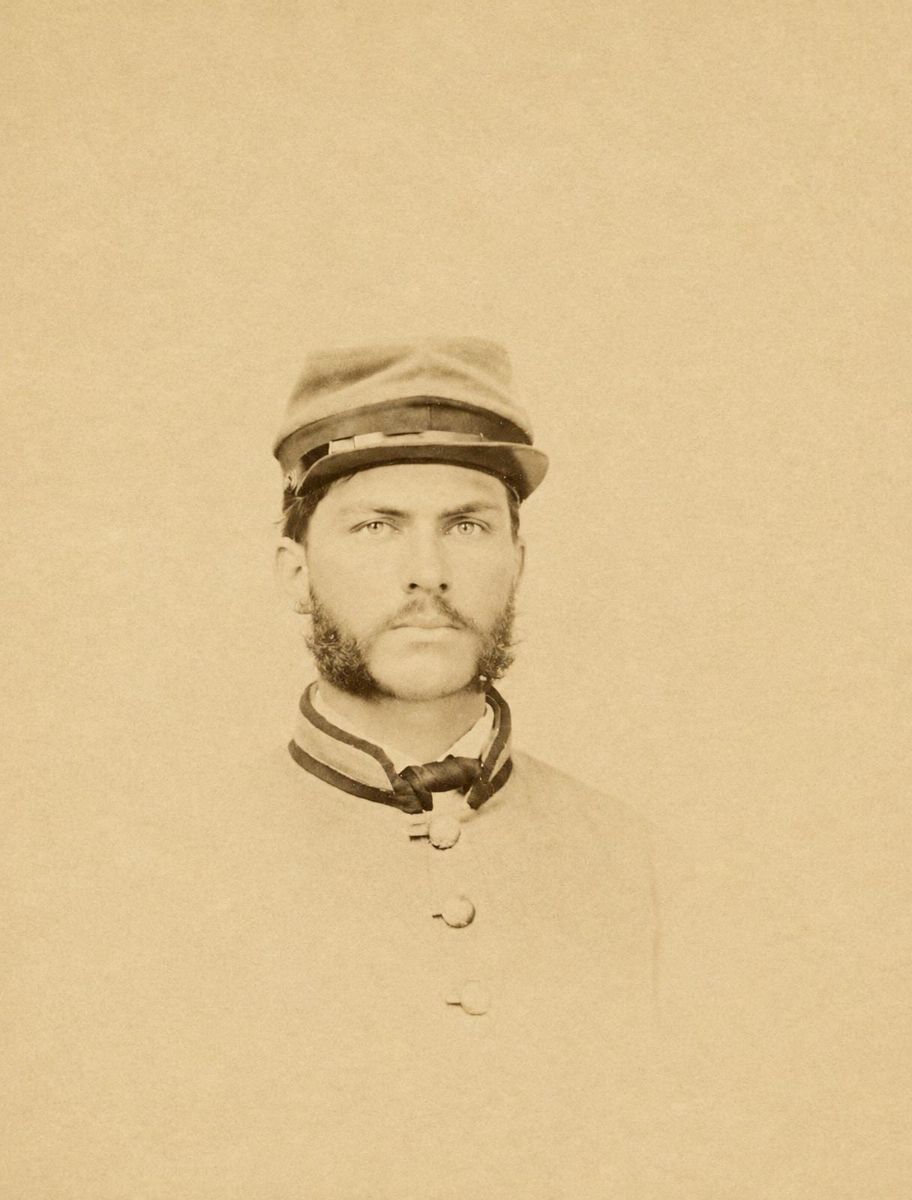
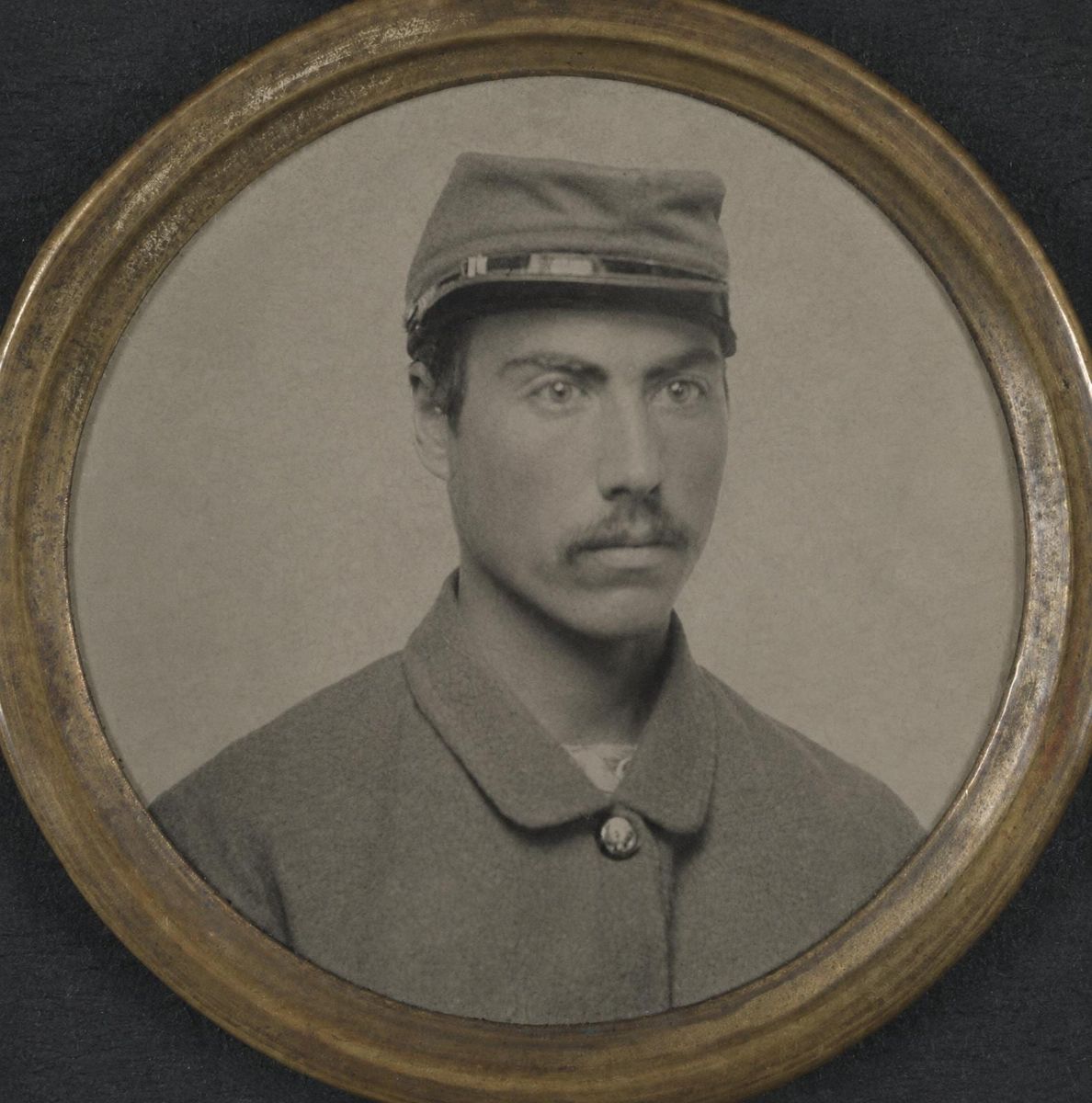
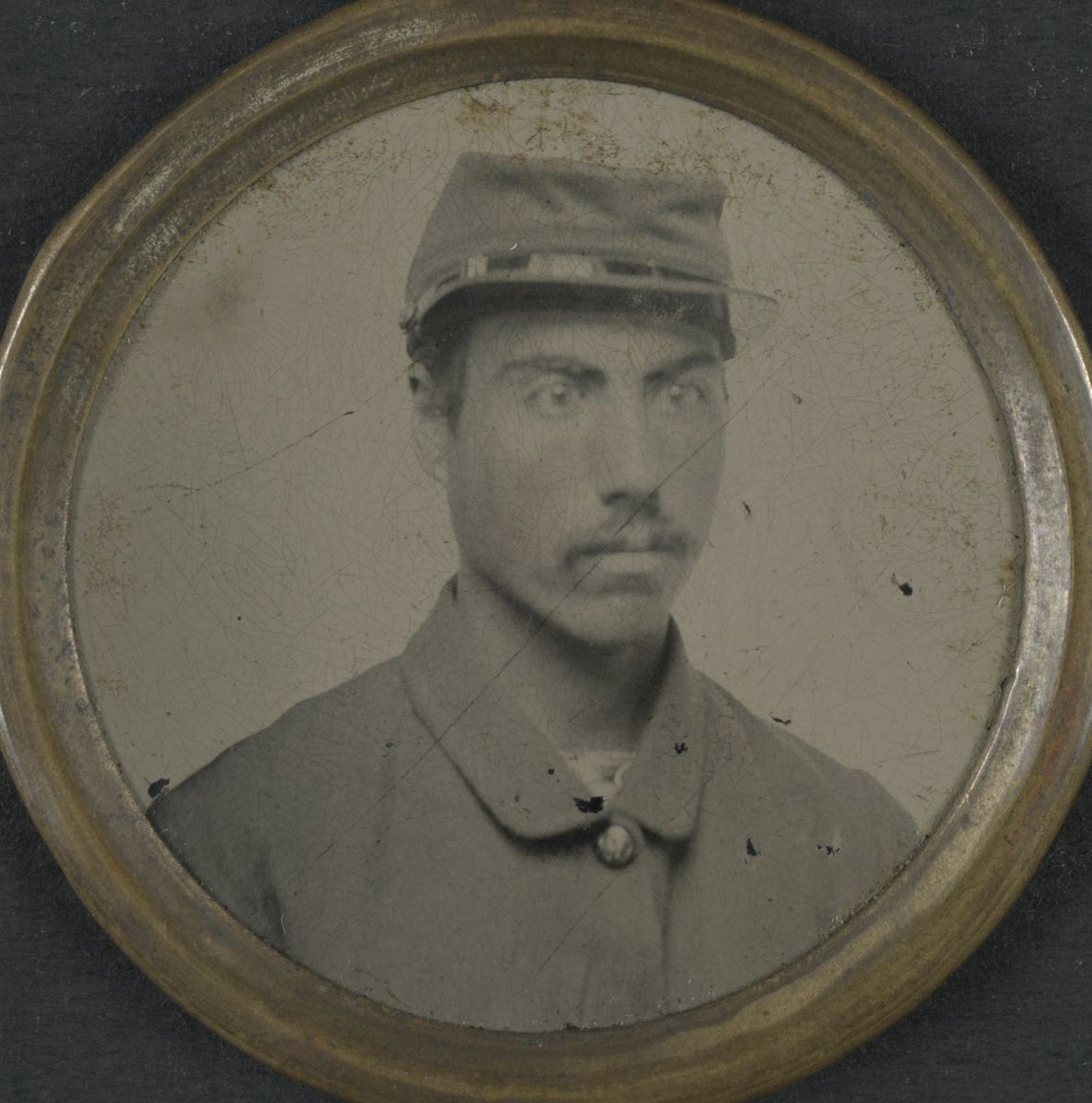
The smallest tintypes were trimmed to fit lockets and tiny frames. This one is about an inch and a half across, and the varnish on its face has cracked into a fine net.
1880s
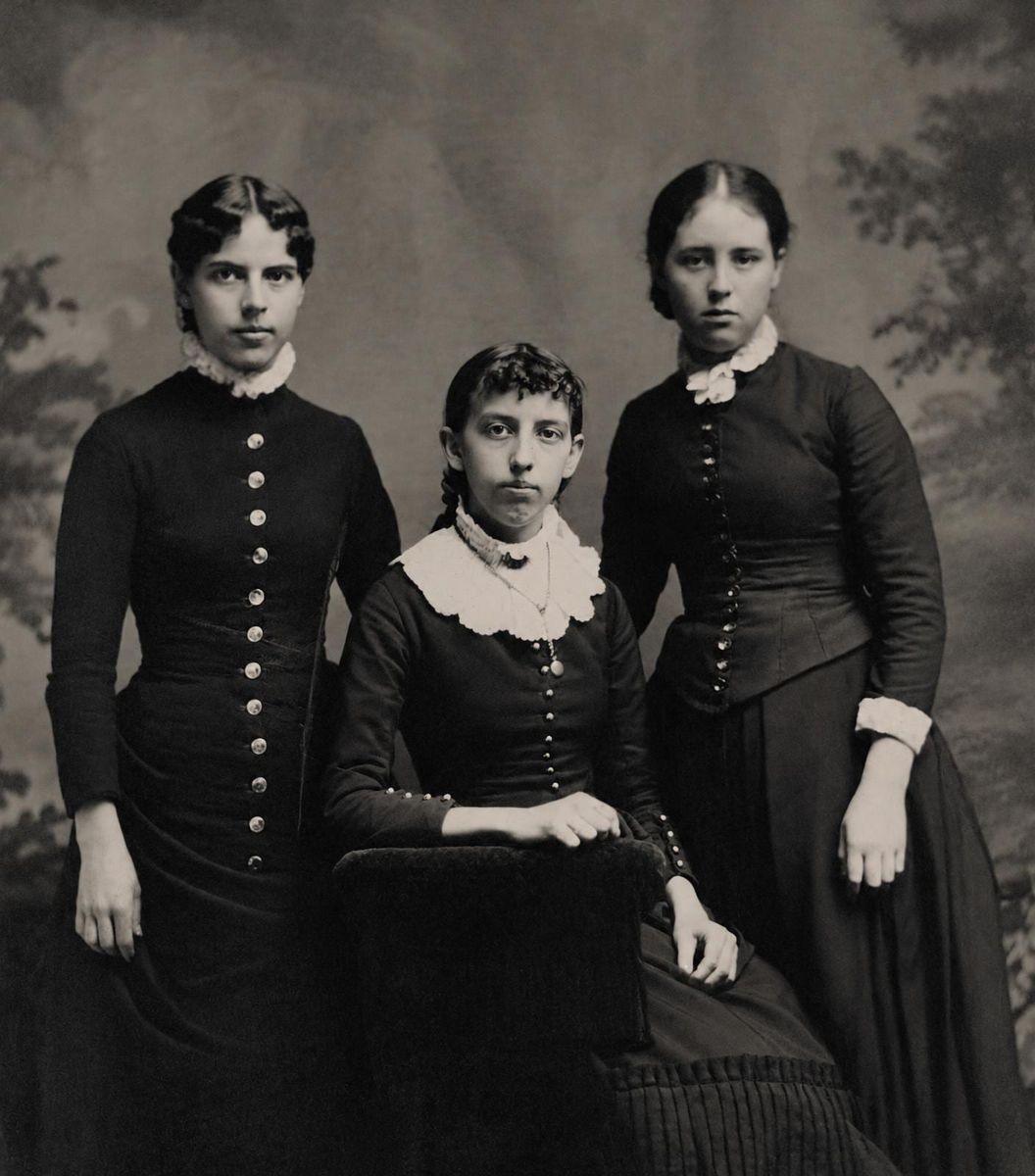
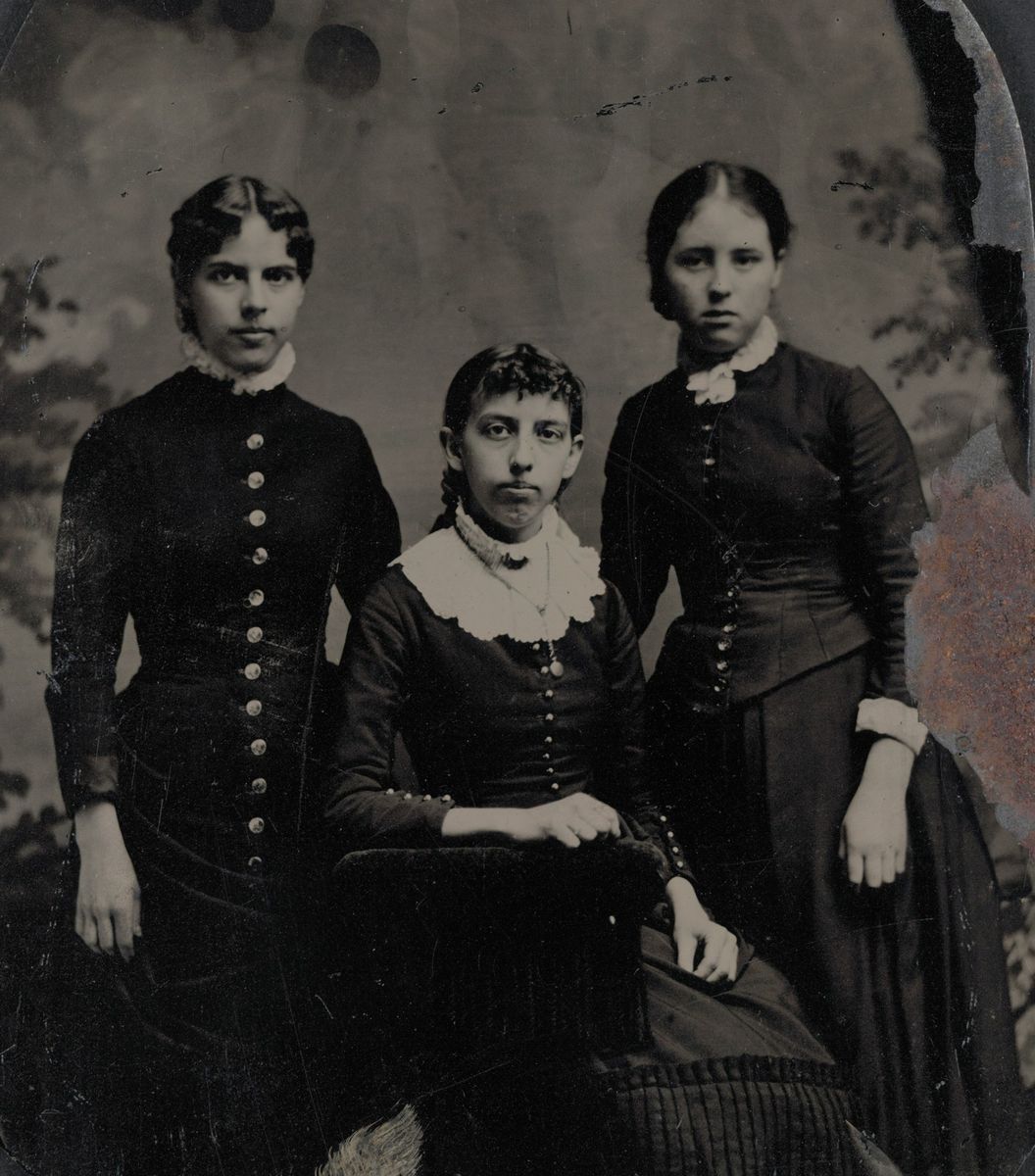
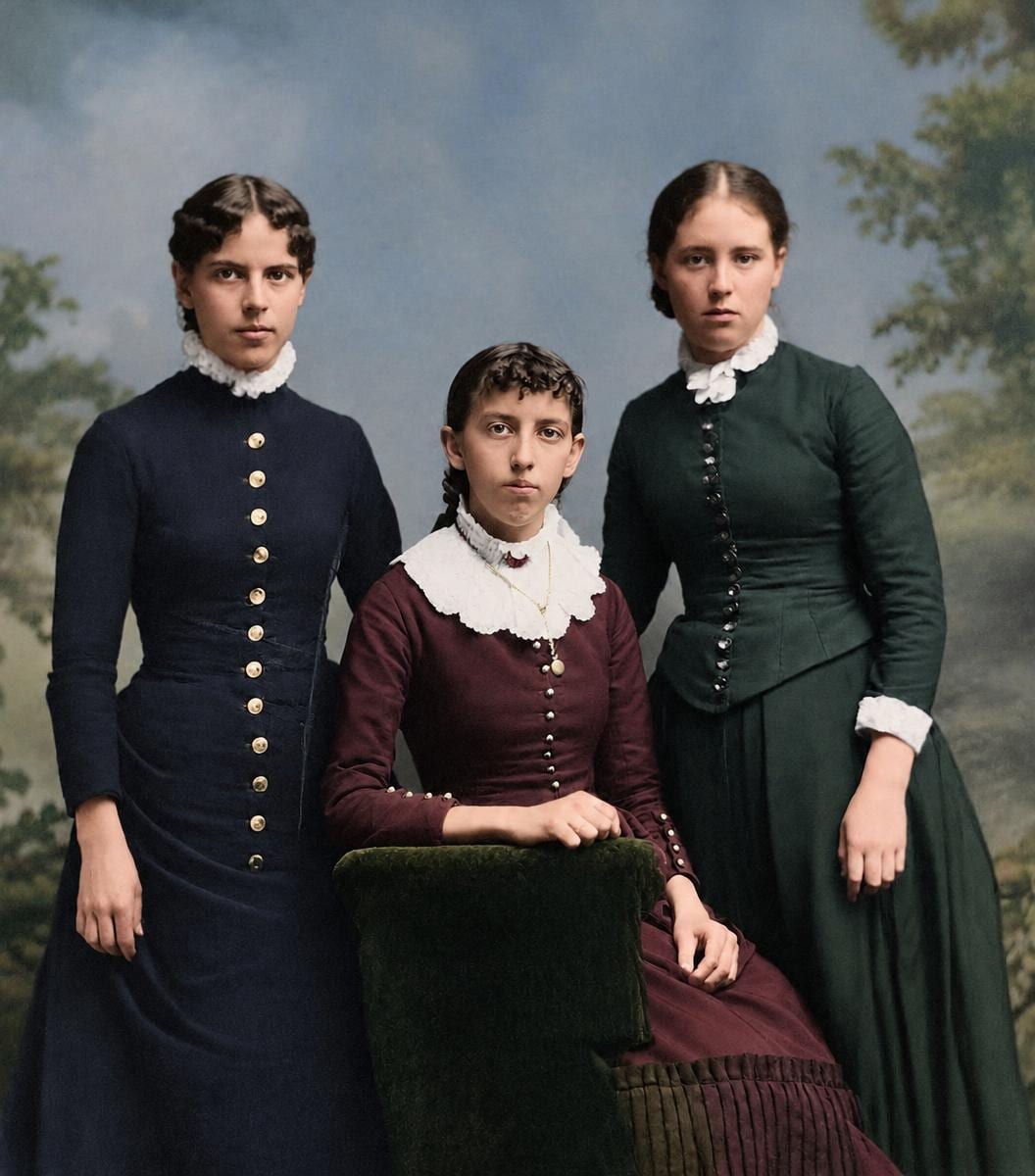
Tintypes were still being made in the 1880s, often in front of a painted backdrop. Where the varnish wears through, the iron underneath rusts.
1890s
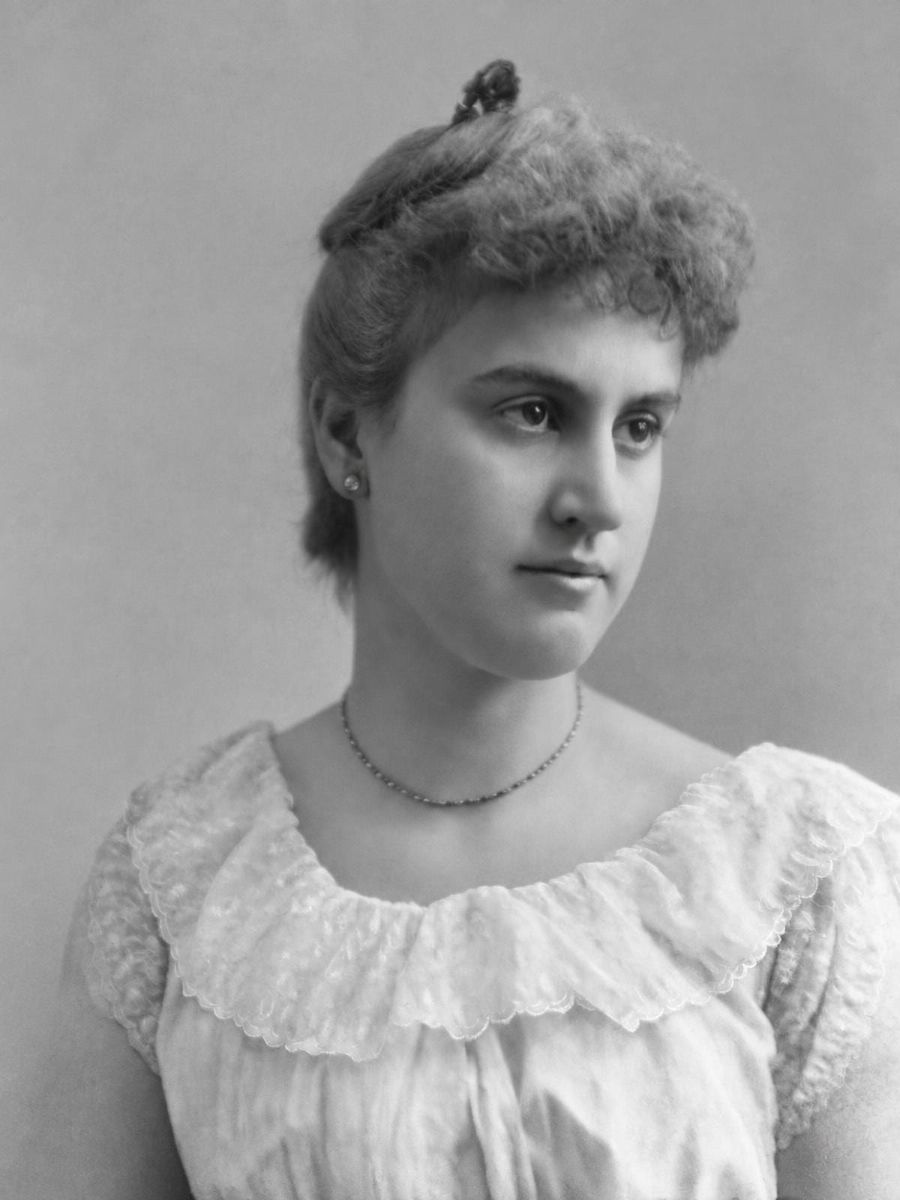
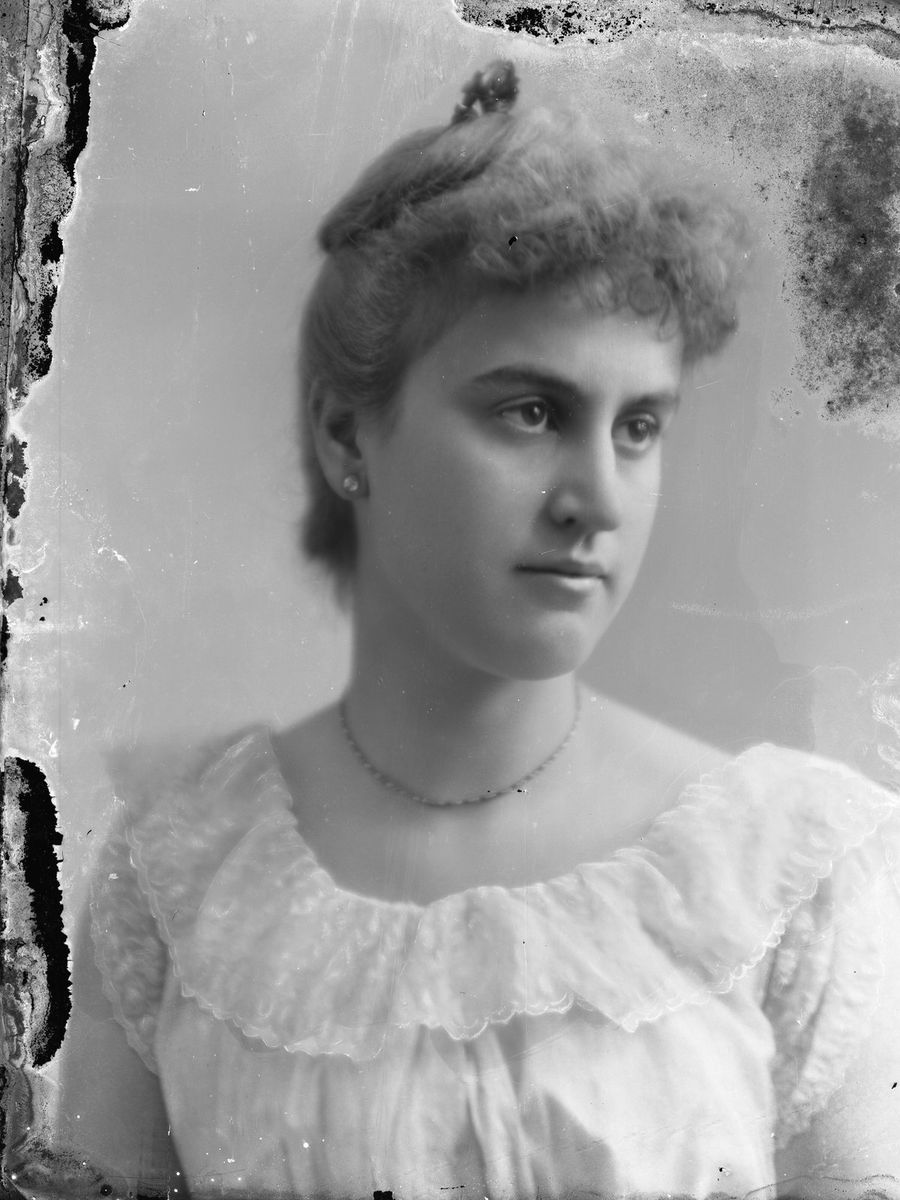
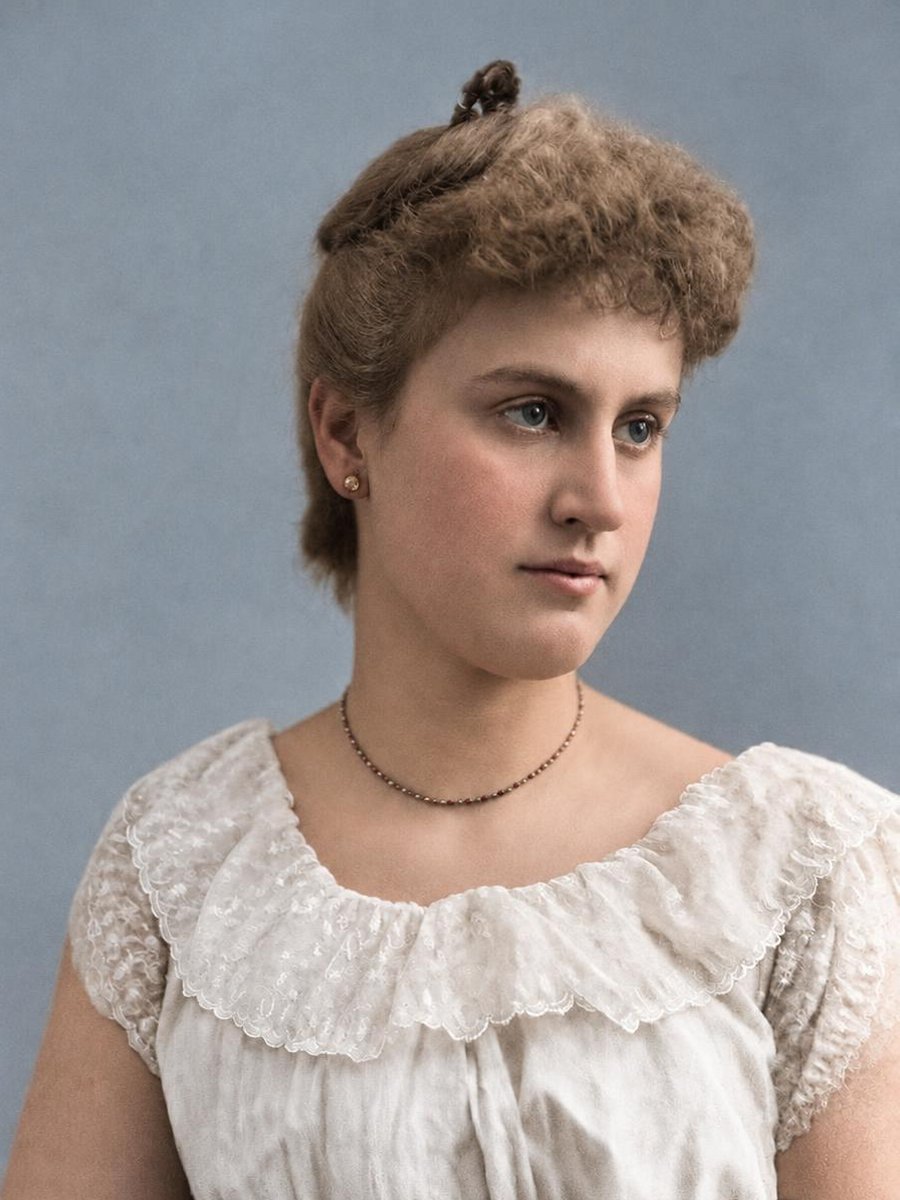
Studios in the 1890s worked on glass plate negatives, and the next six photos are scans of the plates themselves. Damp makes the coating on a plate lift and flake, usually from the edges in.
1900s
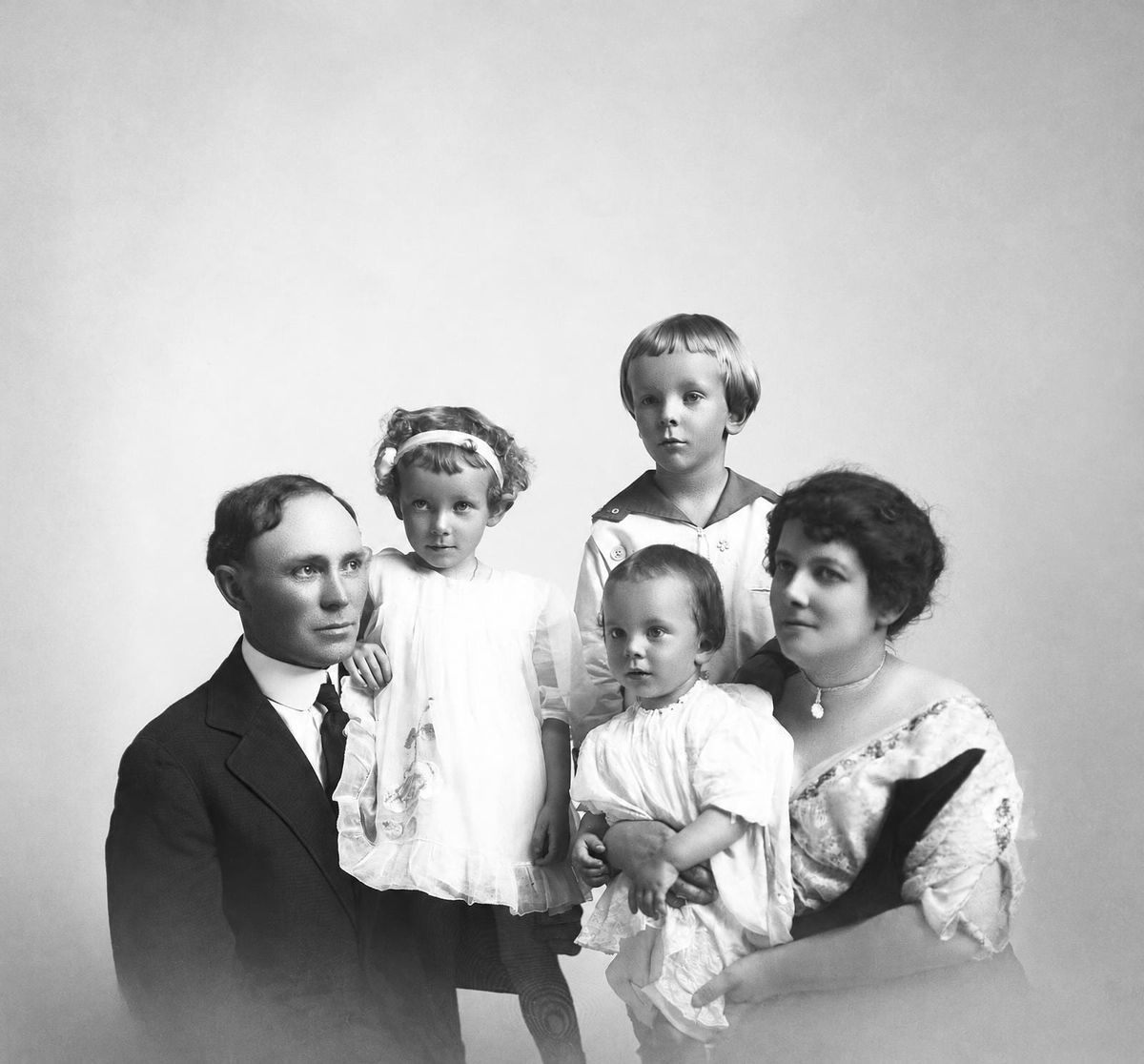
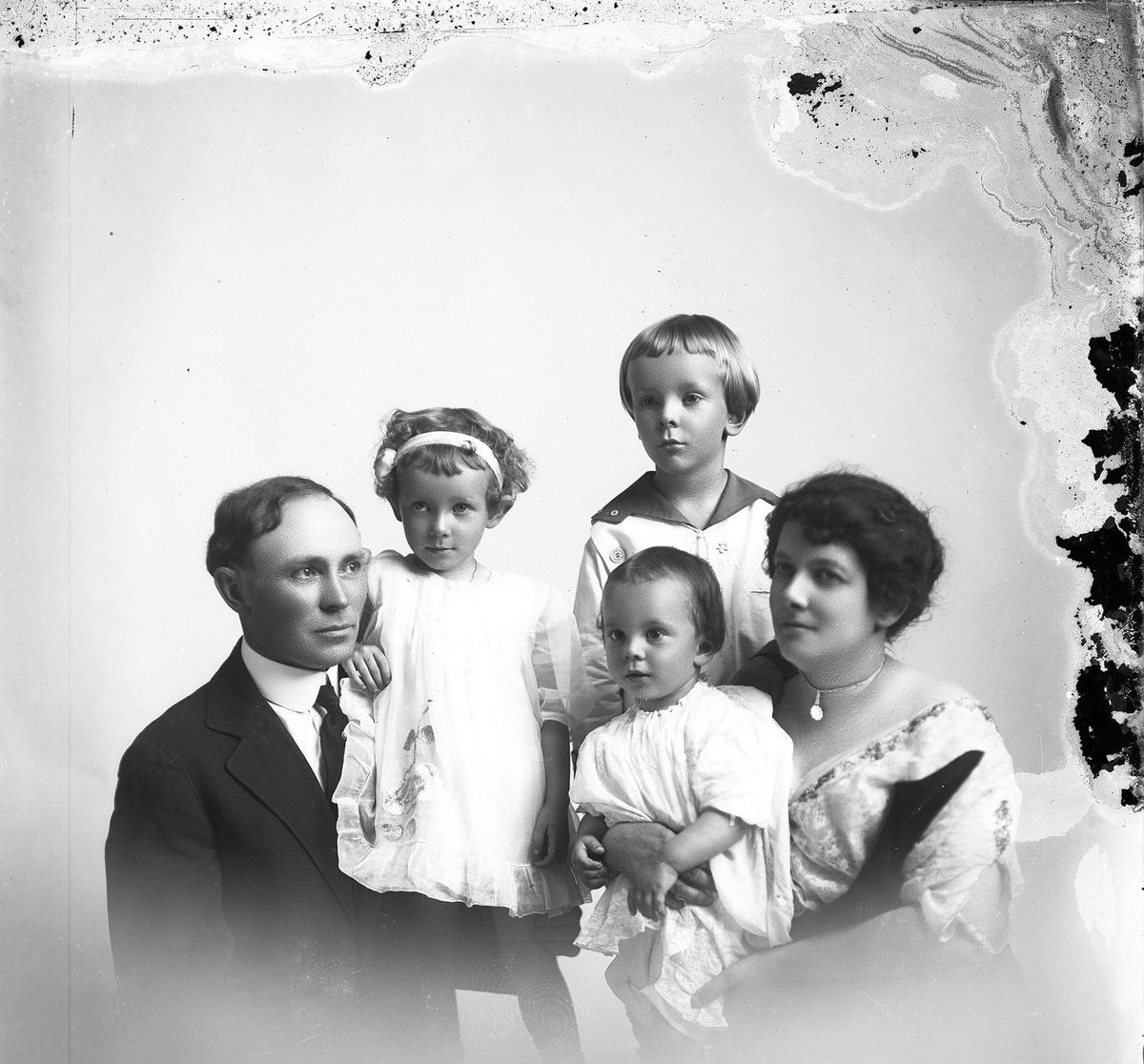
This family portrait comes from the same North Carolina collection, on an 8 by 10 inch glass plate. The white fade at the bottom looks like the studio's own vignette, a soft edge photographers added on purpose.
1910s
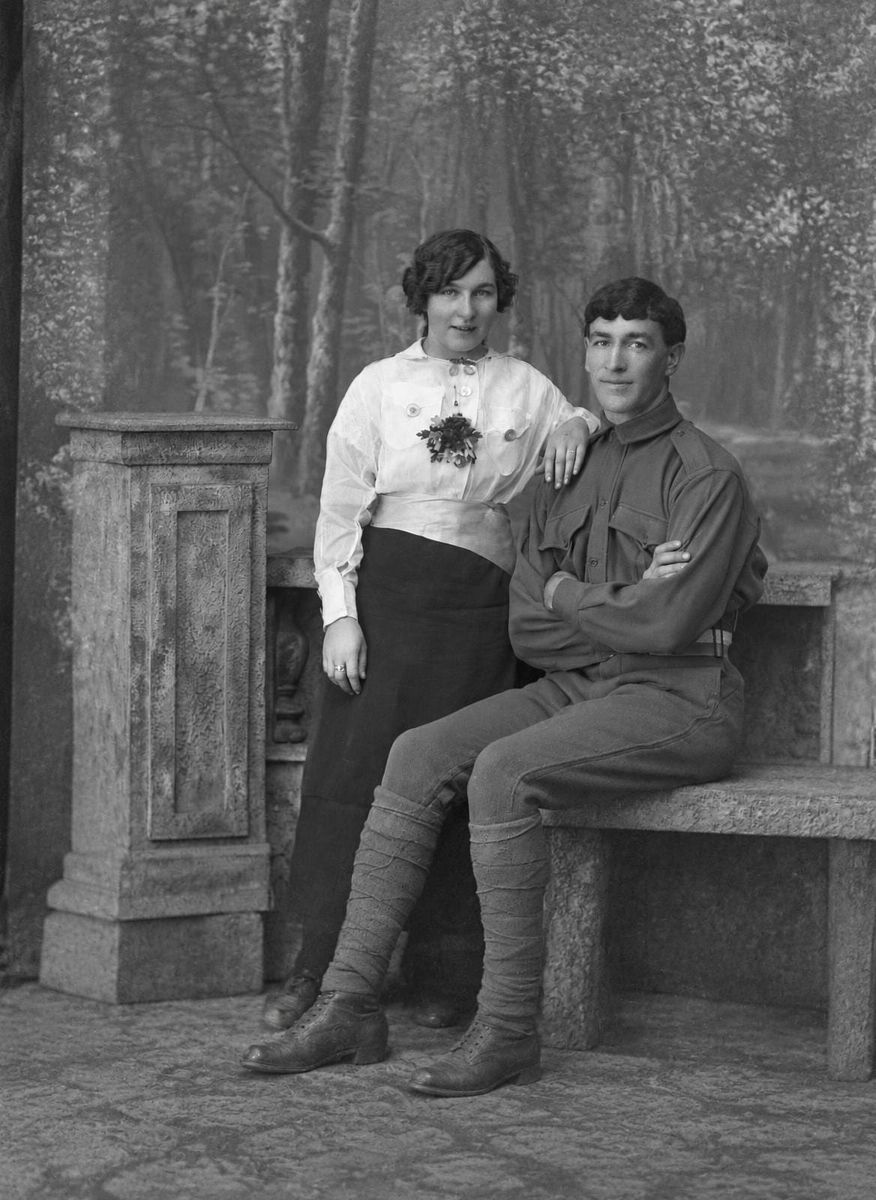
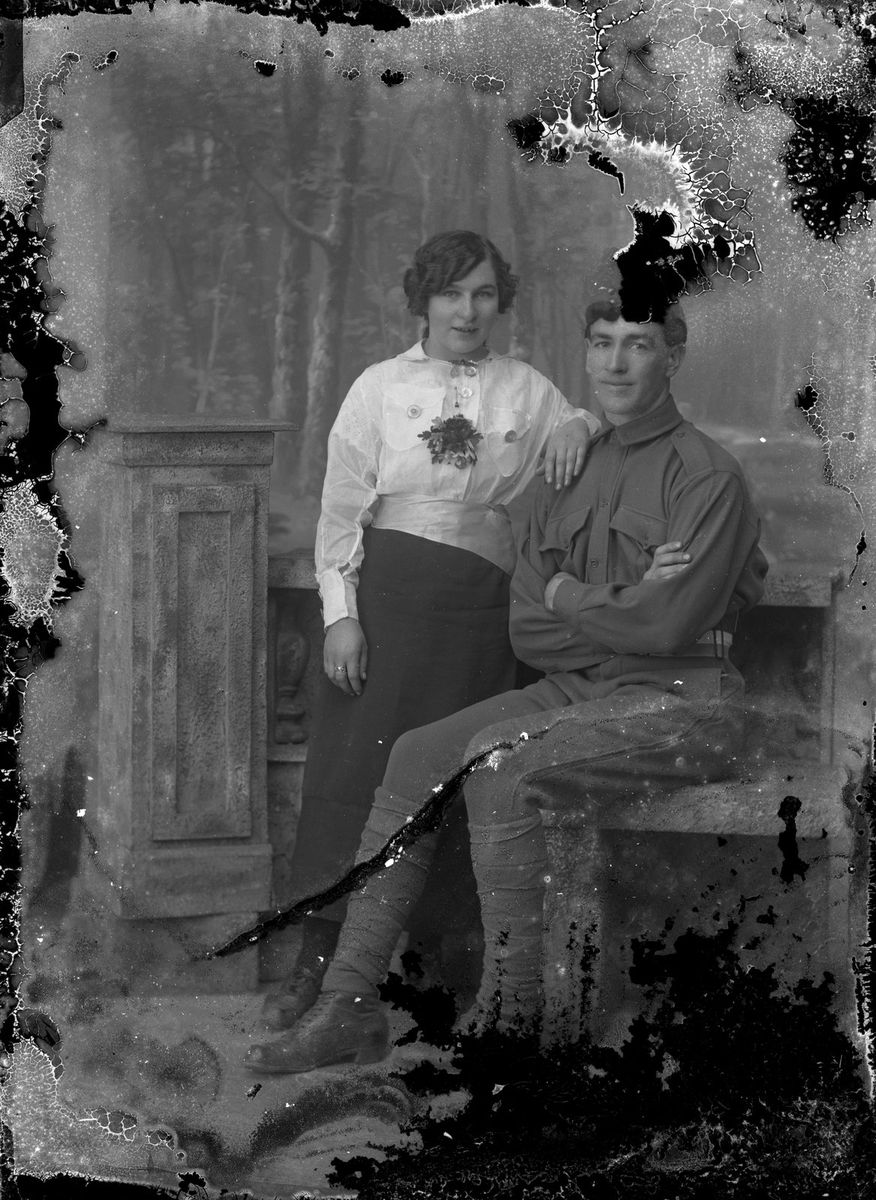
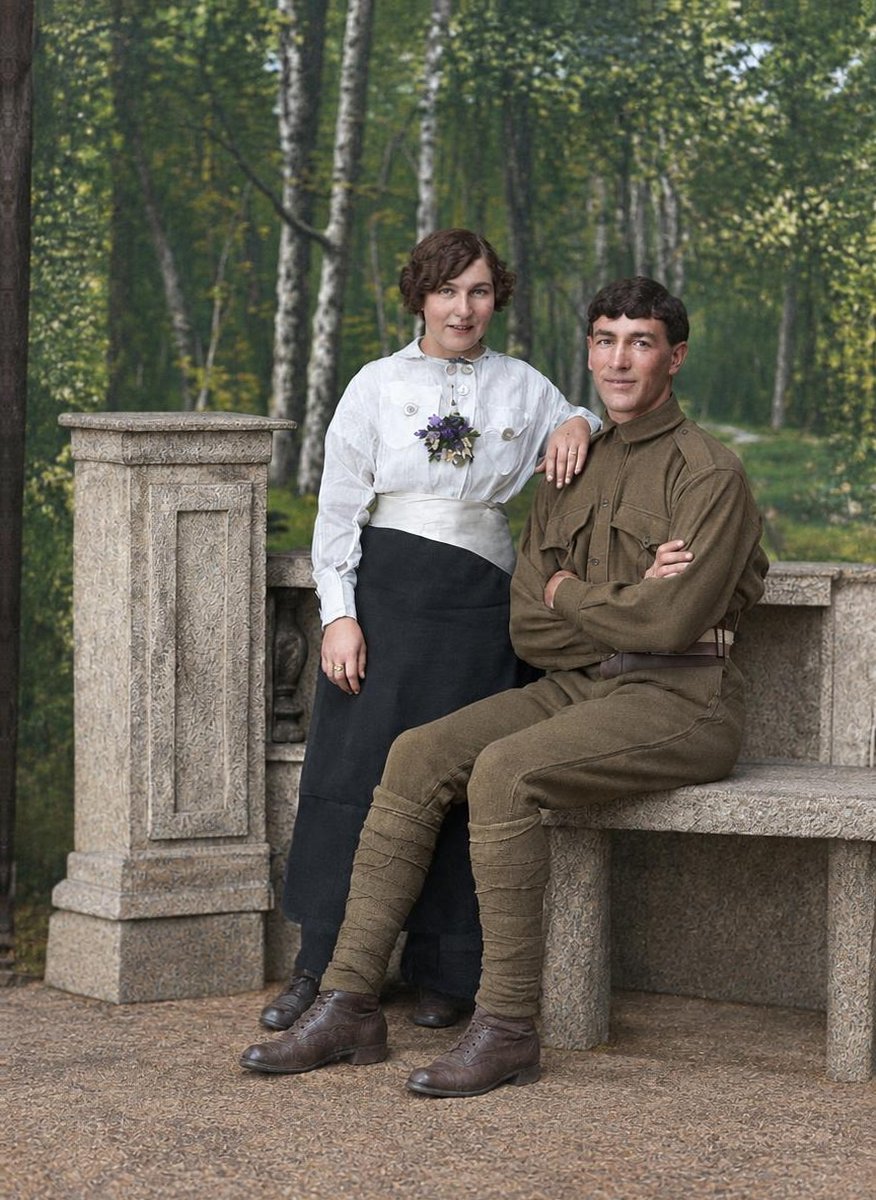
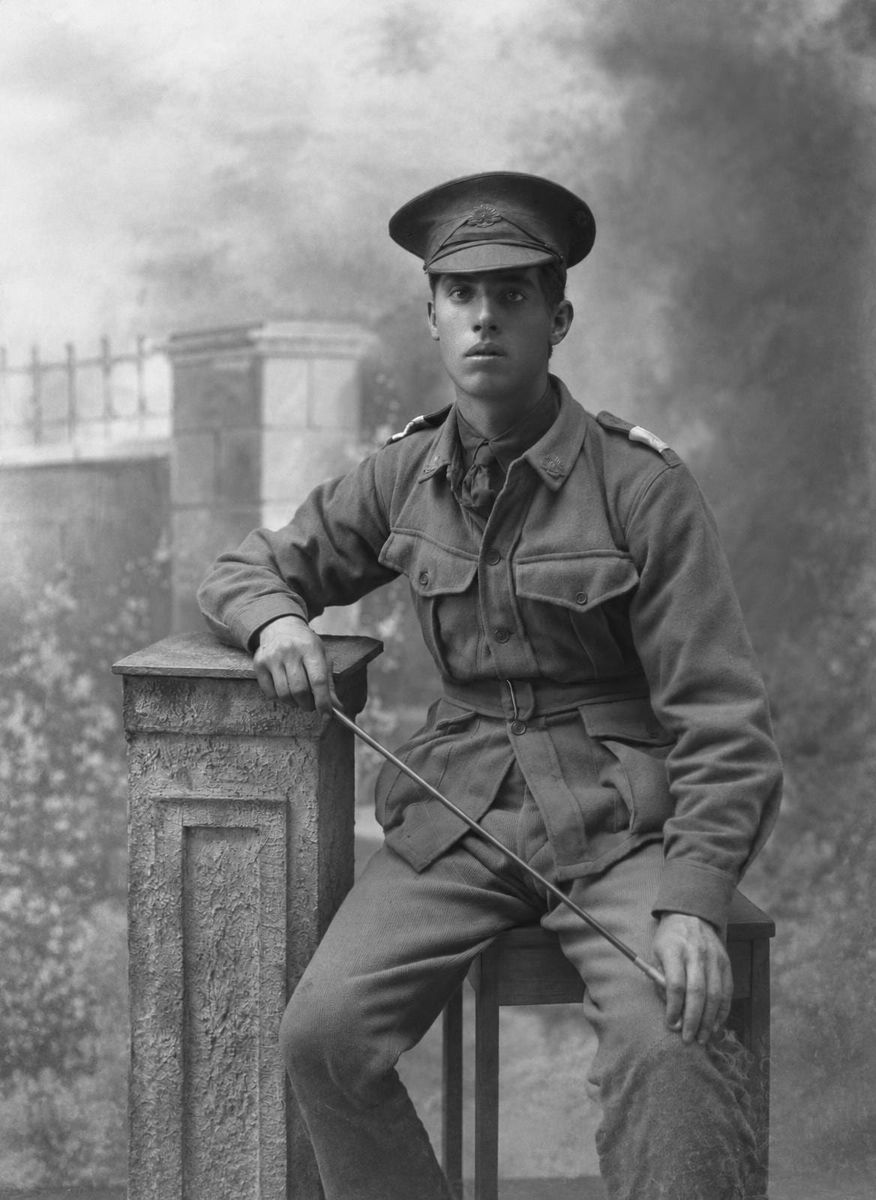
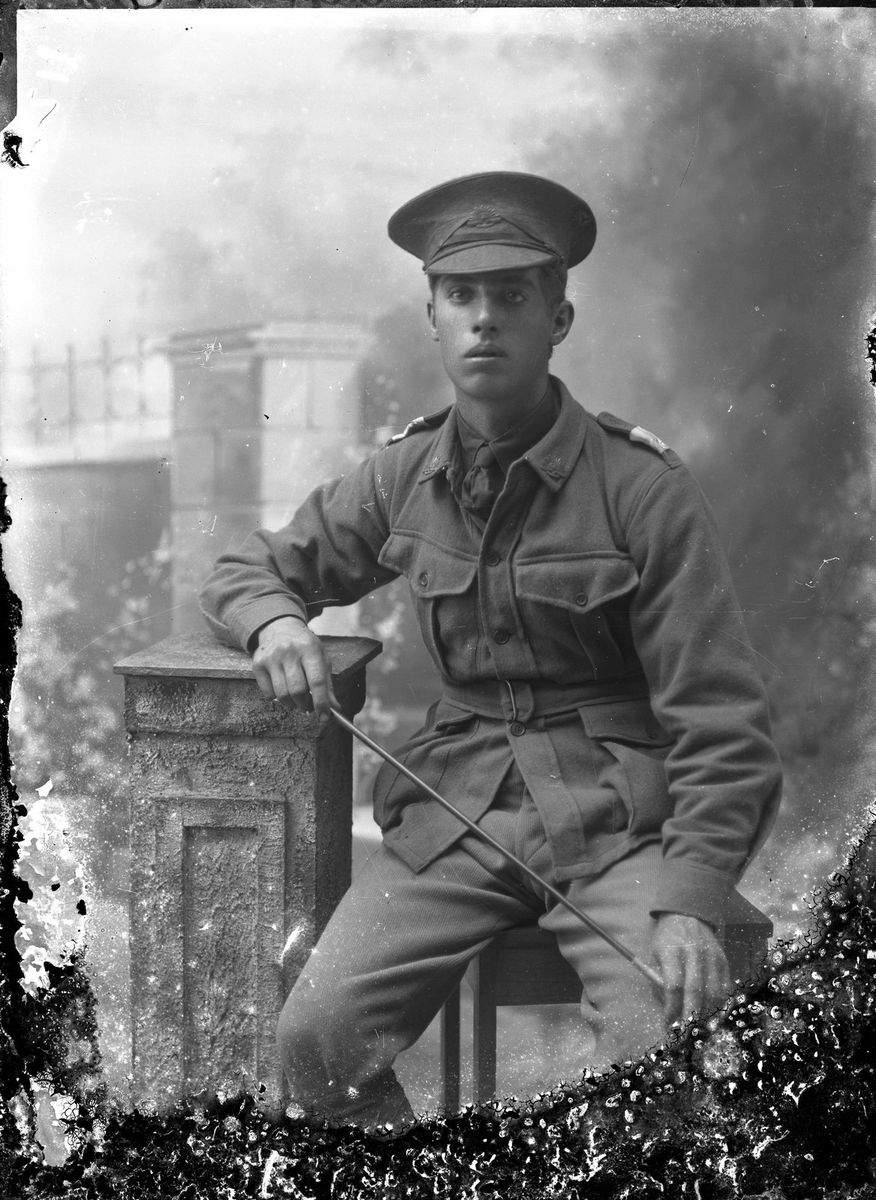
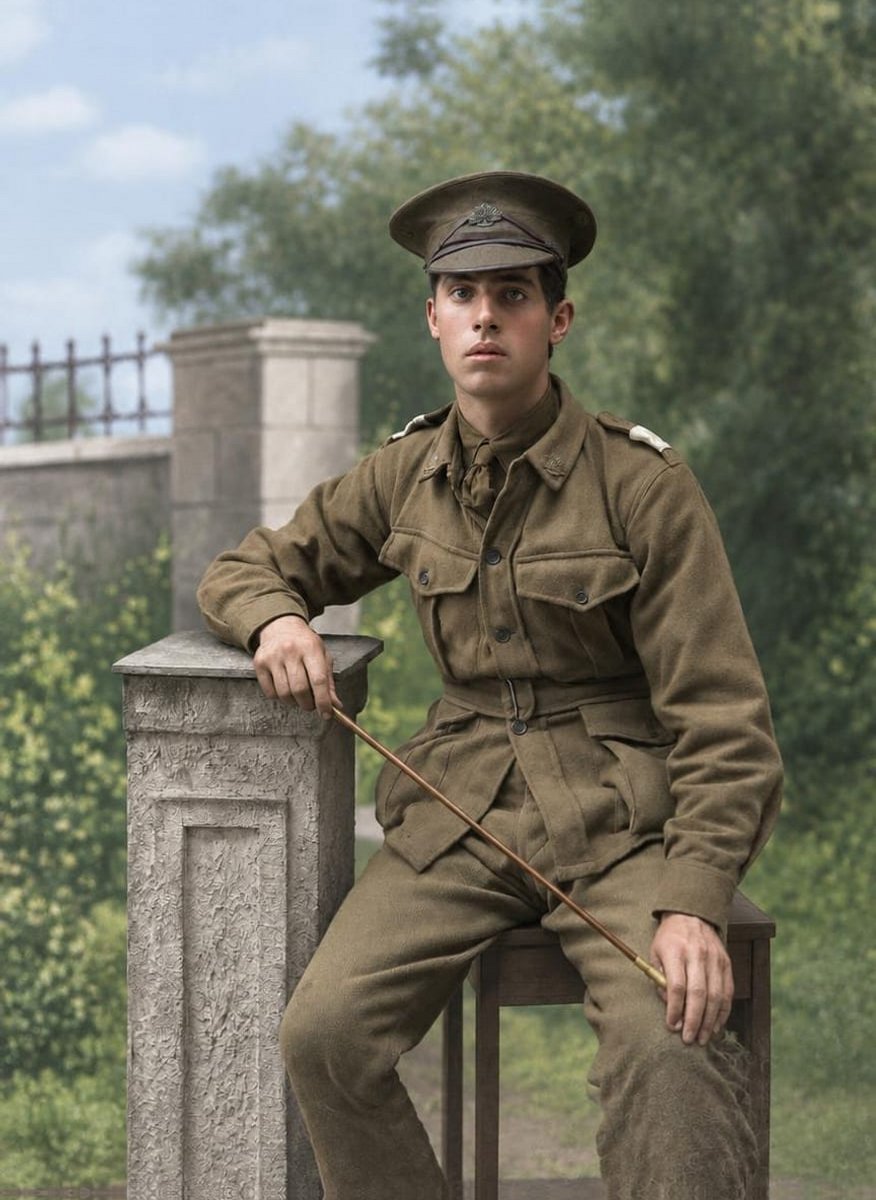
During the First World War, Alexander Galloway photographed local soldiers at his studios in the coalfields of New South Wales, Australia. Water later got into many of his glass negatives, and where the coating washed away, the restore has nothing to work from and has to invent. If your own photos got wet, read what to do with water-damaged photographs first.
1920s
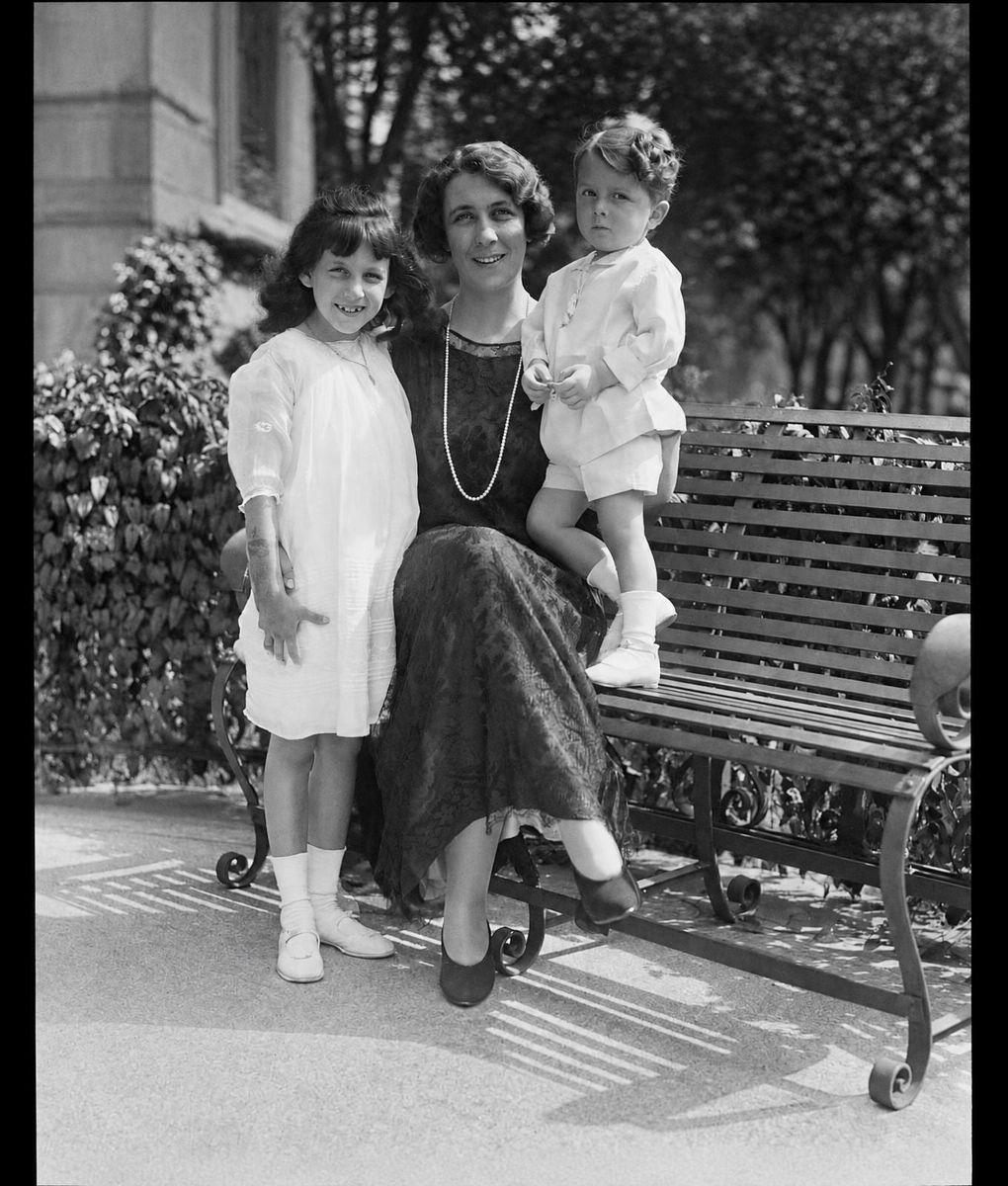
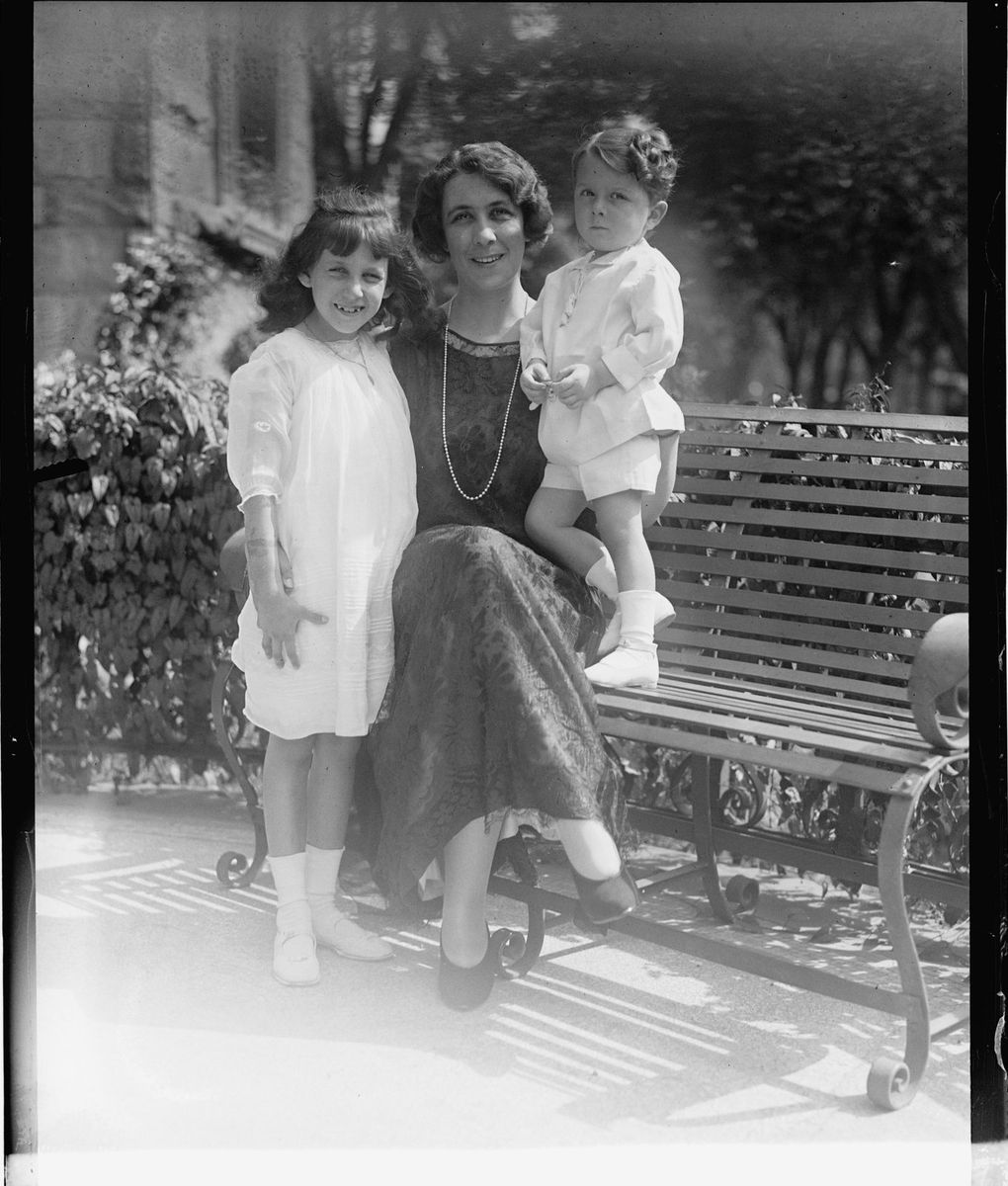
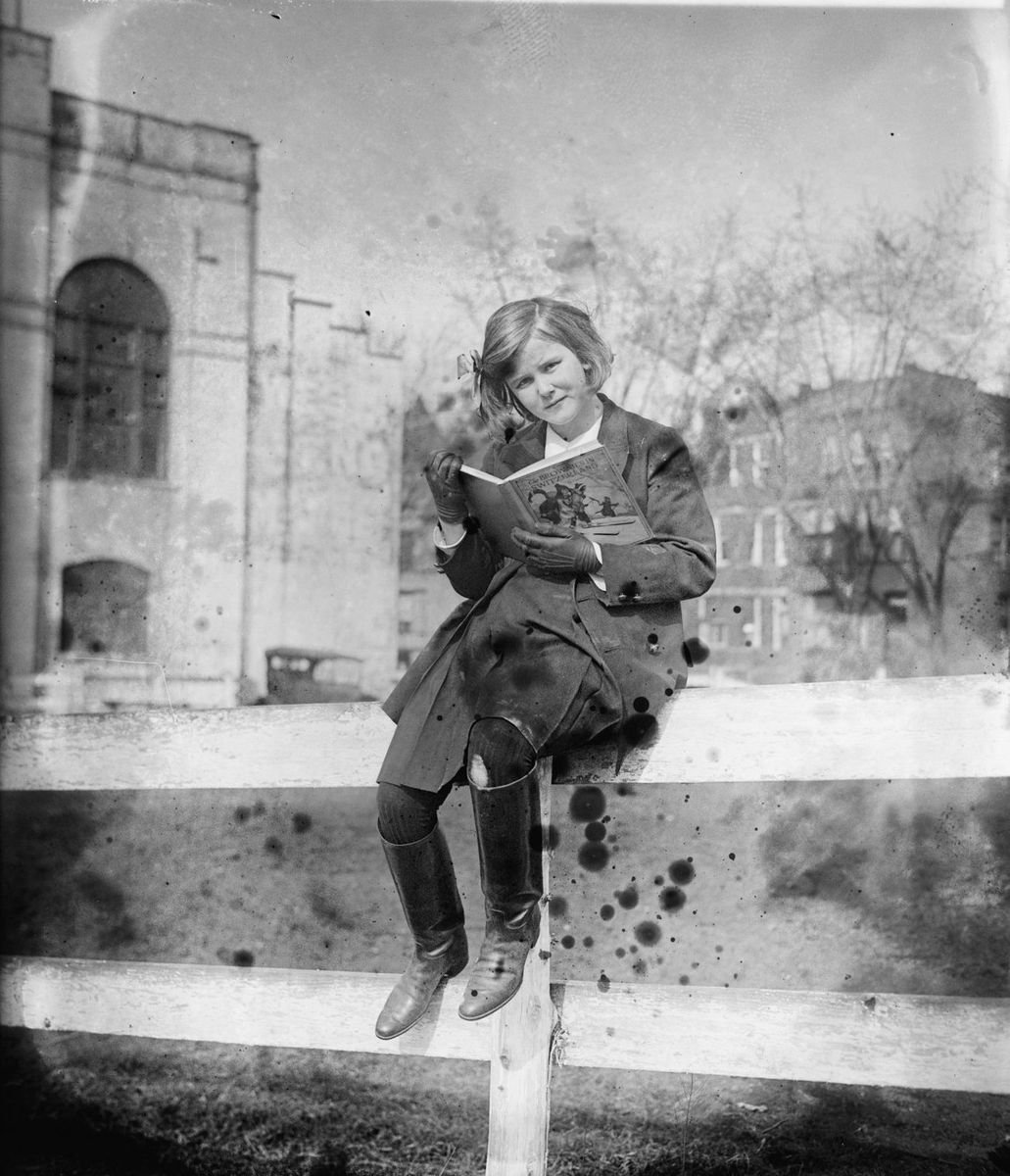
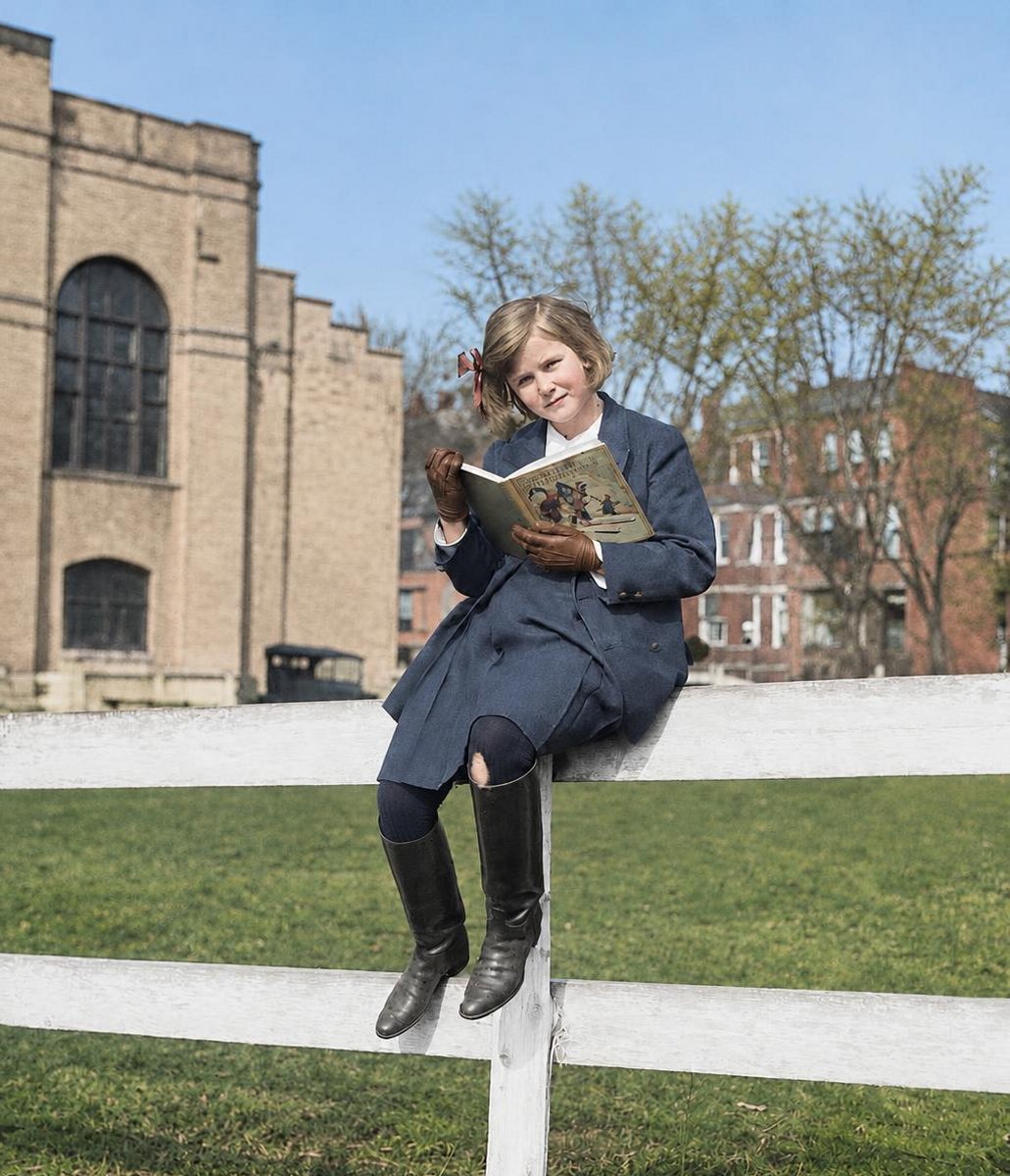
The National Photo Company shot daily life in Washington, D.C., on glass negatives for the papers, and its plates are now at the Library of Congress. These two are fogged and spotted.
1930s
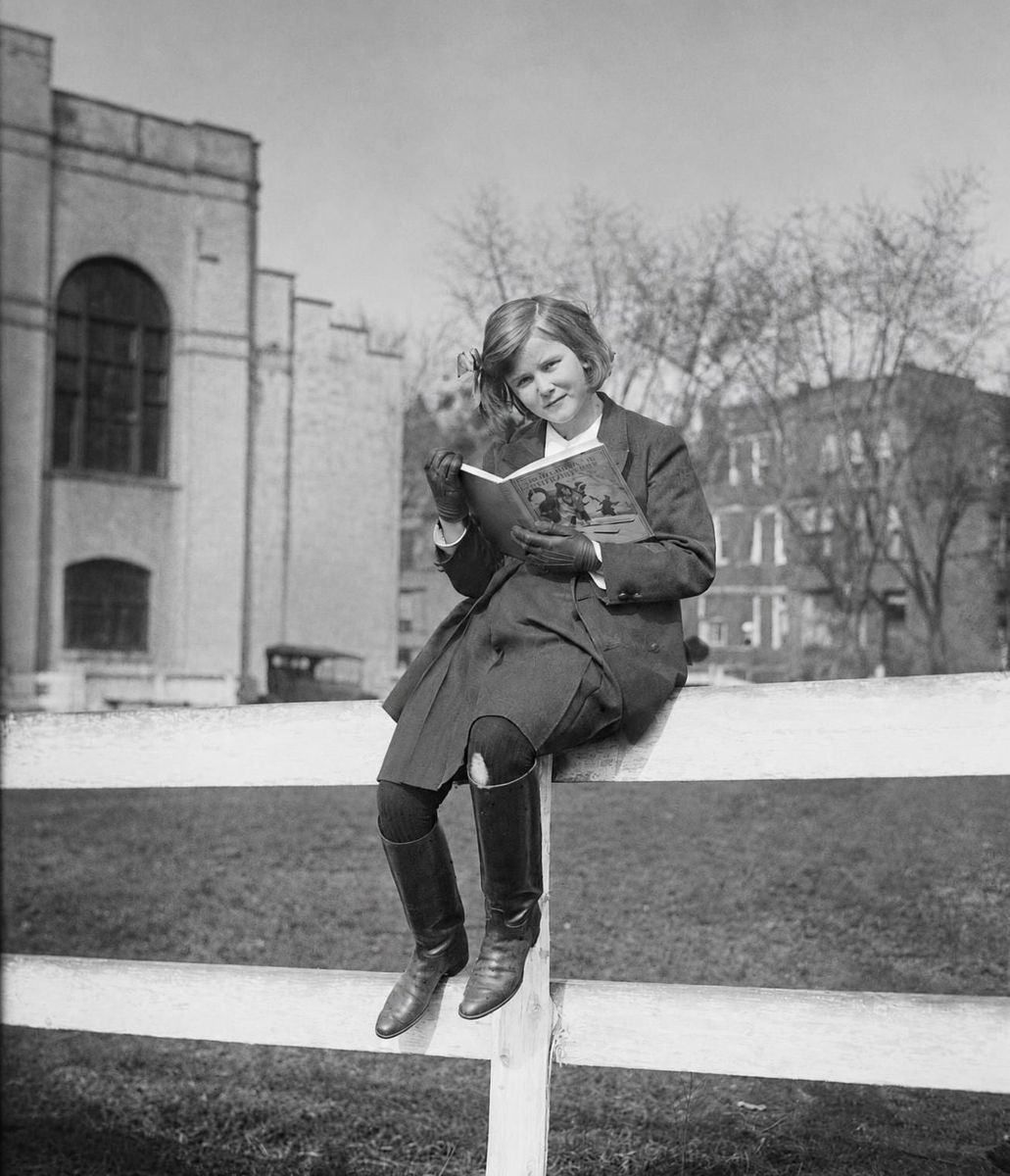
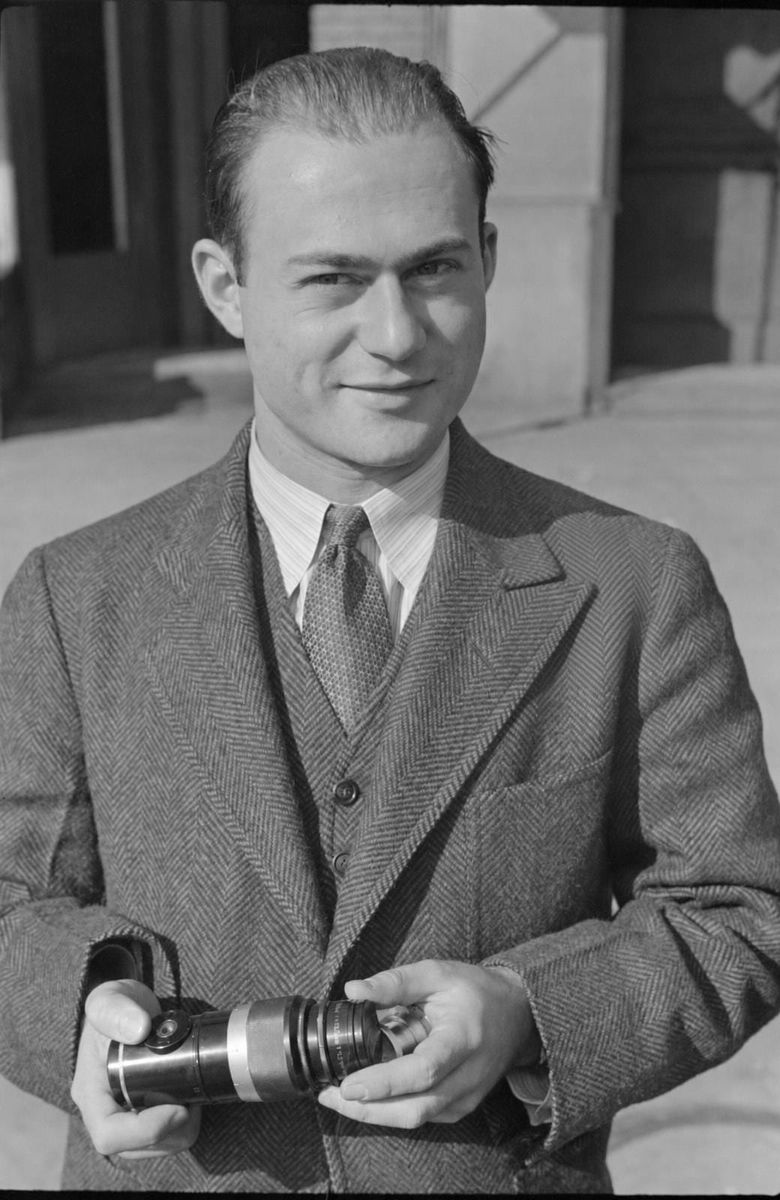
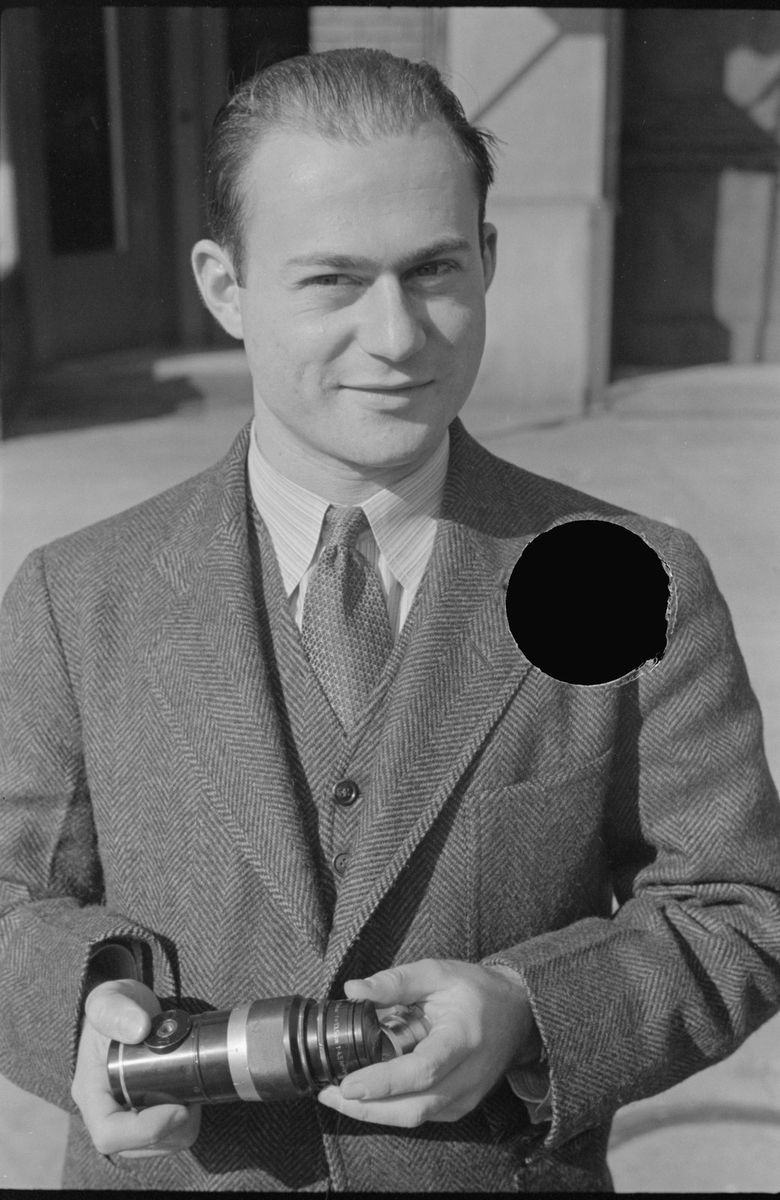
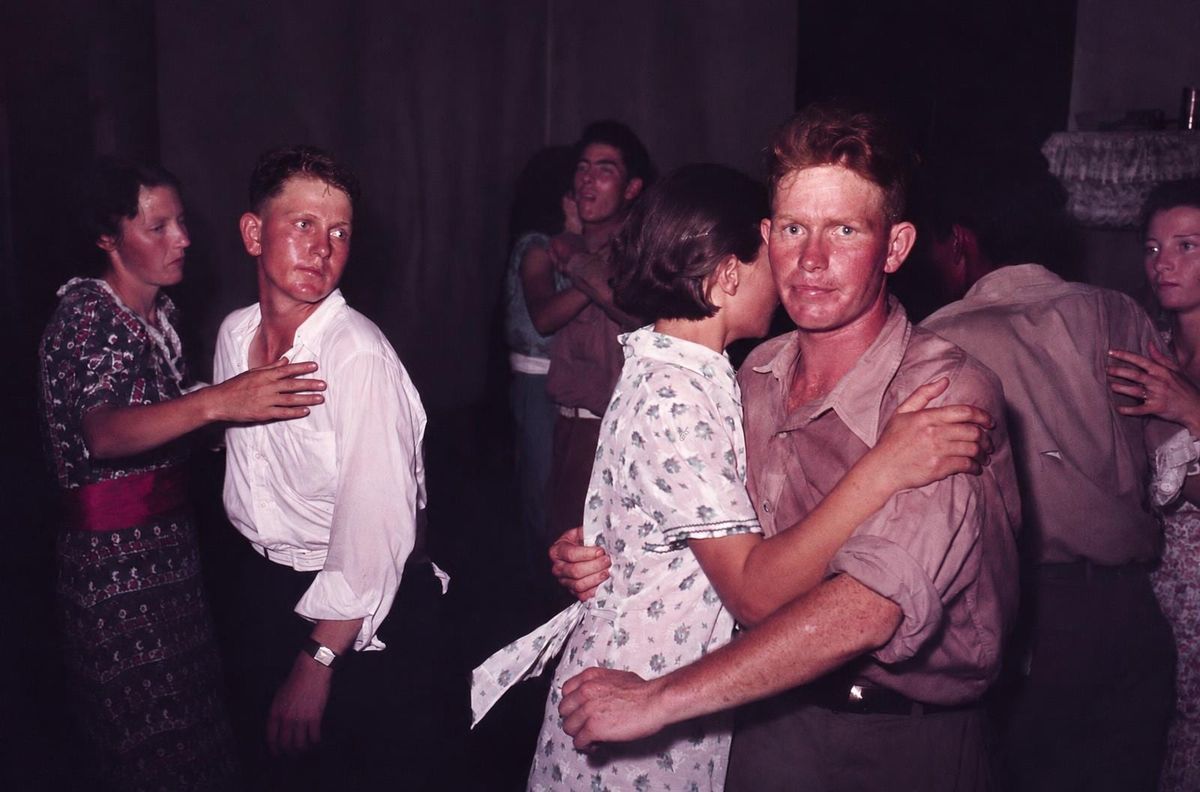
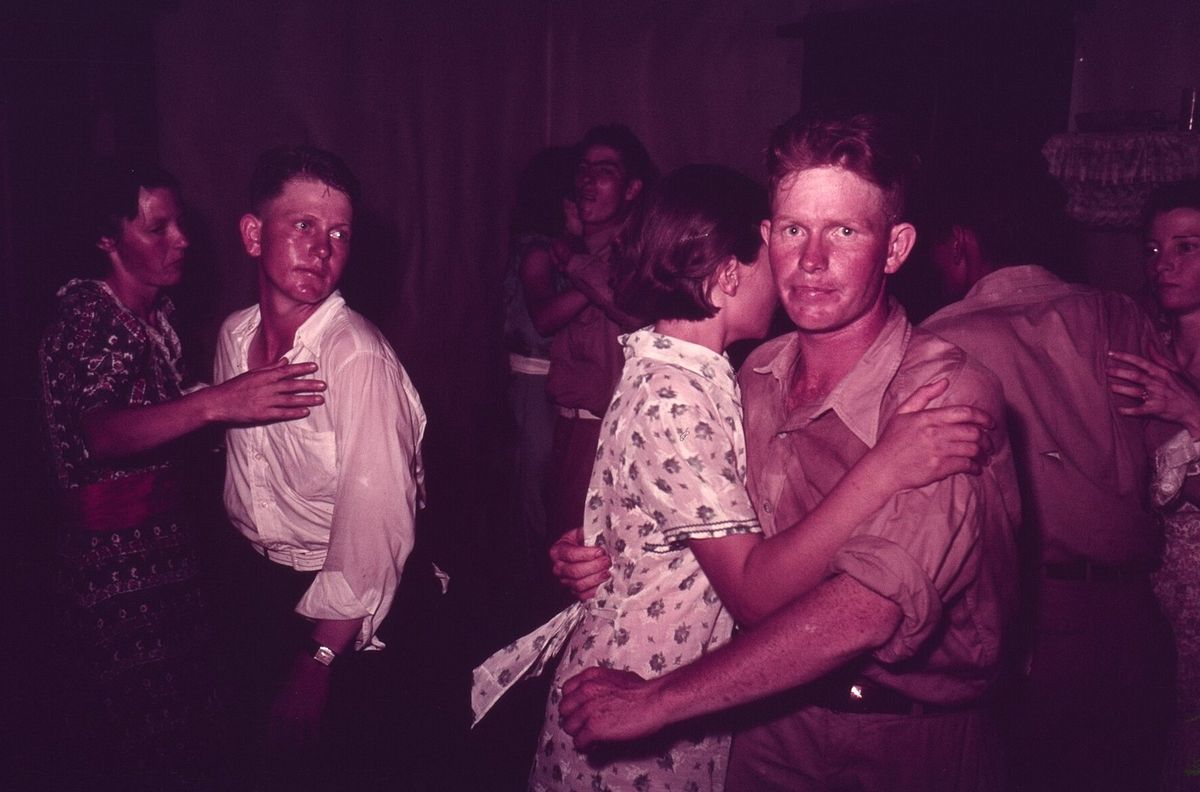
The government photographers of the Farm Security Administration worked on film. Negatives the office rejected were marked “killed,” and in the early years a hole was sometimes punched through them. The same project was making color pictures by 1939, though family snapshots stayed mostly black and white for years, as why old photos are black and white explains.
What a faithful repair leaves alone
Some things in an old photo look like damage and belong to it: the warm brown of an albumen print, a painted studio backdrop, color brushed onto cheeks, a soft white vignette, the grain of the film. A Victorian baby portrait may even hide a draped figure holding the baby, which is the hidden mother and part of the picture.
On your own result, after the faces, check what these notes kept catching: color painted on by hand, small lettering, and anything the restore had to fill in. FixFade's default repair keeps black and white as black and white and sepia as sepia, but what it fills in is a guess, like the ring it put on one woman's hand.
To try it on your own photo, upload a scan or a phone photo of the print: 2 free watermarked previews a day, no card needed, about a minute each, in your phone's browser. The results above are the standard restore, the one behind the free preview, without the watermark. A clean copy to keep or print is a paid restore, and packs start at $19 for 25 photos, paid once.